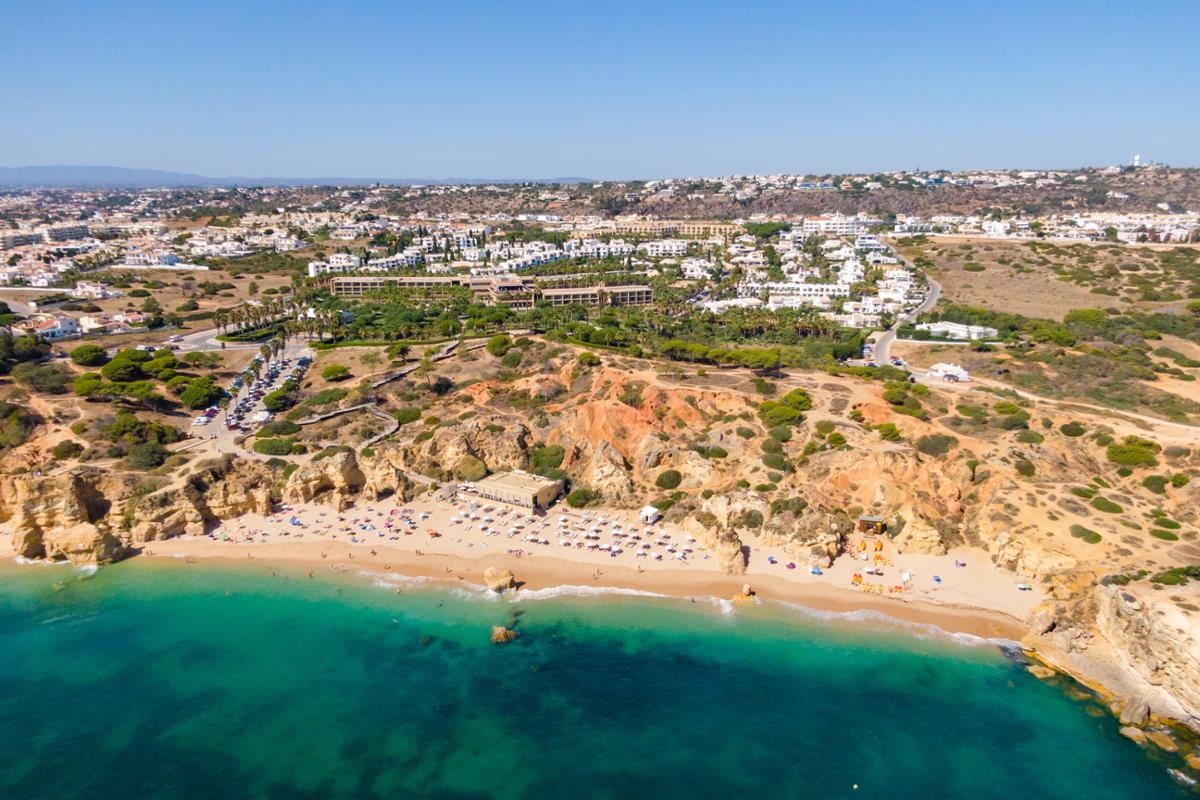
Portugal has launched a major coastal restoration project in the Algarve, transporting approximately 2.2 million tonnes of sand to help rebuild beaches threatened by erosion, rising sea levels and increasingly powerful storms.
The large-scale operation covers more than six kilometres of coastline between Quarteira and Garrão, one of the country’s most popular tourism regions.
Officials hope the project will strengthen coastal resilience while preserving the beaches that attract millions of visitors to southern Portugal each year.
A Massive Beach Replenishment Project
The restoration involves dredging sand from the seabed, transporting it by specialized vessels and distributing it evenly along sections of the Algarve coastline.
In total, approximately 1.8 million cubic yards of sediment will be deposited across beaches in Trafal, Vale do Lobo, Garrão, Forte Novo and Quarteira.
Once completed, the replenishment is expected to widen affected beaches by around 37 metres, creating a larger protective buffer between the ocean and coastal infrastructure.
Protecting One of Europe’s Leading Resort Regions
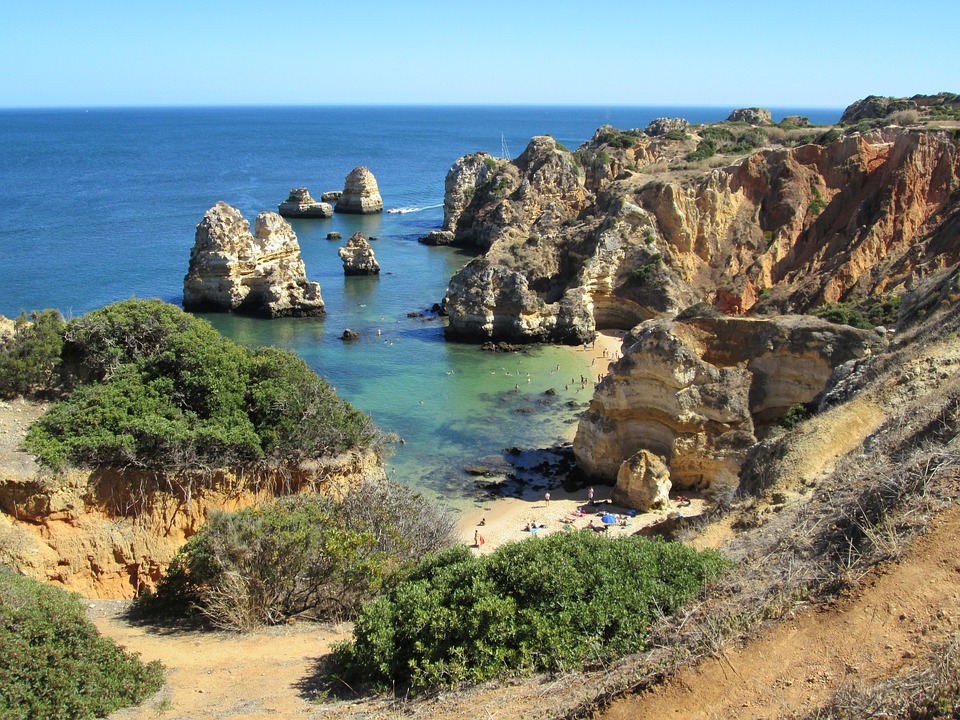
The Algarve is one of Europe’s most visited holiday destinations, known for its golden beaches, dramatic cliffs and year-round sunshine.
However, the same coastline that drives the region’s tourism economy has become increasingly vulnerable to erosion caused by wave action, storm events and long-term sea-level rise.
Without intervention, authorities warn that coastal erosion could eventually threaten cliffs, public infrastructure, residential developments and tourism facilities.
Portugal’s Minister of Environment, Maria da Graça Carvalho, said the project is intended to improve public safety while helping to safeguard the country’s coastline.
A Temporary Solution to a Long-Term Challenge
While beach nourishment is widely used around the world, experts acknowledge that it is not a permanent fix.
Similar sand replenishment projects were carried out in the Algarve in 1998, 1999, 2006 and 2010. Much of the sand added during the 2010 operation was gradually washed away by natural coastal processes in subsequent years.
As a result, beach nourishment is often viewed as a temporary buffer that buys time rather than a long-term solution to coastal erosion.
Balancing Protection and Natural Landscapes
The project carries an estimated cost of €17.2 million and represents one of the largest coastal protection efforts currently underway in Portugal.
Supporters argue that adding sand is a less intrusive approach than constructing concrete seawalls or rock barriers, allowing beaches to retain their natural appearance and recreational value.
However, such projects require complex marine logistics, including dredging vessels, pumping systems, environmental monitoring and careful management of coastal ecosystems.
As climate change continues to place pressure on coastlines across southern Europe, similar beach restoration projects are likely to play an increasingly important role in protecting some of the continent’s most valuable tourism destinations.
Spain Also Investing in Large-Scale Beach Restoration
Portugal is not alone in using beach nourishment to combat coastal erosion. In eastern Spain, authorities are carrying out one of the country’s largest-ever coastal regeneration projects along the Valencia coastline, including beaches in Sagunto.
The initiative will restore heavily eroded stretches of Almardà, Corinto and Malvarrosa beaches using more than 1.2 million cubic metres of sand transported from offshore deposits. The project forms part of a wider coastal recovery programme covering several municipalities and aims to strengthen protection against storms and long-term shoreline retreat.
Officials in Sagunto have described the operation as a long-term solution to decades of coastal degradation caused by reduced natural sediment flows, port construction and increasingly severe weather events.
The broader Valencia coastal restoration programme is expected to regenerate around 11 kilometres of shoreline across multiple resort areas, making it one of the most ambitious beach replenishment projects ever undertaken in Spain.