The Transportation Security Administration has launched a new remote passenger screening program for selected travelers departing from Boston, introducing a new approach designed to reduce congestion at airports and simplify the journey from check-in to departure gate.
The pilot program began operating on June 1 and introduces one of the first large-scale remote airport security experiences available to commercial airline passengers in the United States.
Officials say the initiative aims to improve traveler convenience while maintaining existing security standards.
Passengers Can Complete Security Before Arriving At Boston Logan
The new remote screening facility is located in Framingham, Massachusetts, allowing eligible passengers to check in, clear security and travel directly to the secure side of the airport by bus.
Currently, the service is available for passengers flying with JetBlue and Delta departing from Boston Logan between 5:30 a.m. and 4:00 p.m.
Instead of traveling directly to the airport, travelers can park at the Framingham location, complete screening and board dedicated secure transportation directly to their departure terminal.
The pilot seeks to reduce pressure on airport checkpoints while offering travelers an alternative to driving and parking closer to terminals.
Remote Screening Costs Less Than Airport Parking
Tickets for the remote screening experience are currently priced at $9 per passenger.
Children under 18 can travel free when accompanied by a ticketed adult.
Parking at the Framingham facility costs $7 per day, significantly below standard airport parking rates.
Transportation from the facility to the secure side of Boston Logan is included as part of the experience.
TSA Expands Alternative Passenger Screening Programs
The Boston initiative represents part of a broader TSA strategy exploring alternative security models across the country.
Remote screening programs are already operating in locations including Los Angeles, Atlanta and New York JFK.
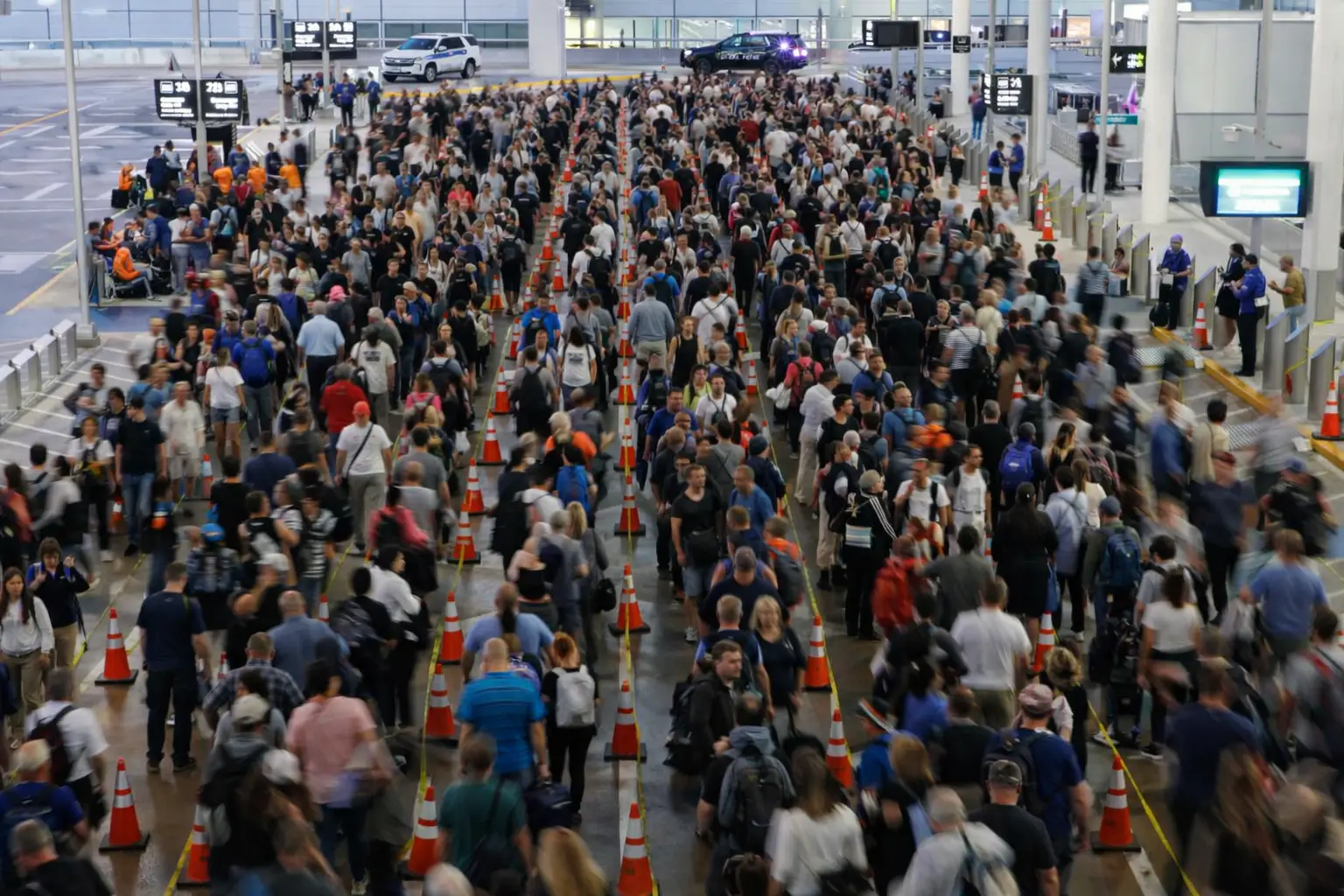
As passenger numbers continue growing and airports face increasing pressure during peak travel periods, remote screening could become an increasingly important tool for reducing congestion and improving passenger flow.
Whether these programs expand nationally will likely depend on passenger adoption rates and operational performance during the pilot phase.