
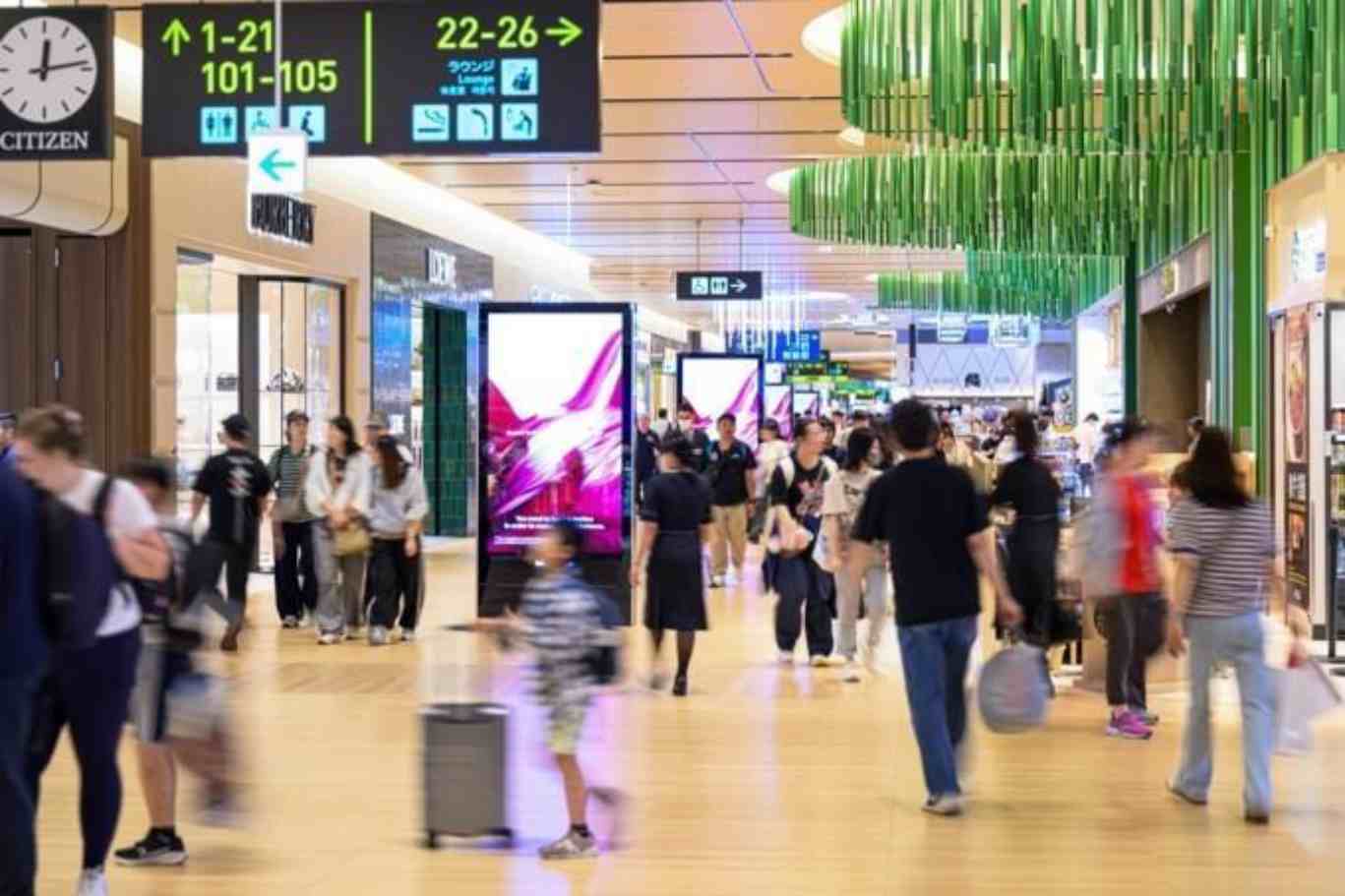
Kansai Airport has completed its largest redevelopment project since opening more than three decades ago, unveiling significantly expanded international facilities as Osaka prepares for rising passenger demand and increased global connectivity.
The extensive modernization project took nearly five years to complete and represents the first major overhaul of the airport’s international passenger infrastructure since operations began in 1994.
Airport officials believe the upgrades will strengthen Kansai’s position as one of Japan’s leading international gateways while improving operational efficiency during busy travel periods.
International Capacity Expanded Across Terminal Facilities
One of the largest changes involves a substantial expansion of international departure areas, increasing available space by approximately 60 percent.
The larger terminal footprint is expected to reduce congestion and improve passenger flow as international traffic continues recovering and expanding.
The airport has also increased the number of boarding bridges serving international flights, creating additional capacity for aircraft operations.
These improvements are designed to help manage rising passenger volumes while reducing bottlenecks during peak periods.
Passenger Processing And Retail Areas Modernized
The redevelopment included major improvements to passenger processing facilities with expanded security areas and redesigned immigration facilities.
Airport operators say these changes should reduce waiting times and improve overall departure experiences.
Commercial facilities have also received significant upgrades with additional restaurants, cafés and redesigned shopping areas introduced throughout international departure zones.
The airport aims to increase both passenger satisfaction and non-aviation revenue through expanded retail offerings.
Airport Strengthens Position Amid Growing International Competition
Kansai Airport’s operator says the investment is intended to reinforce the airport’s role as one of the major transportation hubs serving the Osaka region.
The airport, built on an artificial island in Osaka Bay, has increasingly relied on international passenger traffic as global travel demand expanded.
However, airport executives acknowledge that stronger dependence on international markets also creates exposure to economic disruptions, geopolitical events and travel demand fluctuations.
The modernization project highlights how major airports are increasingly investing in capacity and passenger experience improvements as competition between international hubs intensifies.