China is preparing to launch one of the world’s most ambitious hospitality automation projects after plans were confirmed for a fully robot-operated hotel in Shenzhen where nearly every guest interaction will be managed by machines.
The project will be built on the western artificial island of the Shenzhen-Zhongshan transport corridor and aims to create a hospitality experience powered almost entirely by robotics.
Robots Will Manage Nearly Every Hotel Function
The planned hotel will introduce full-cycle robotic operations designed to handle everything from guest arrivals to room maintenance.
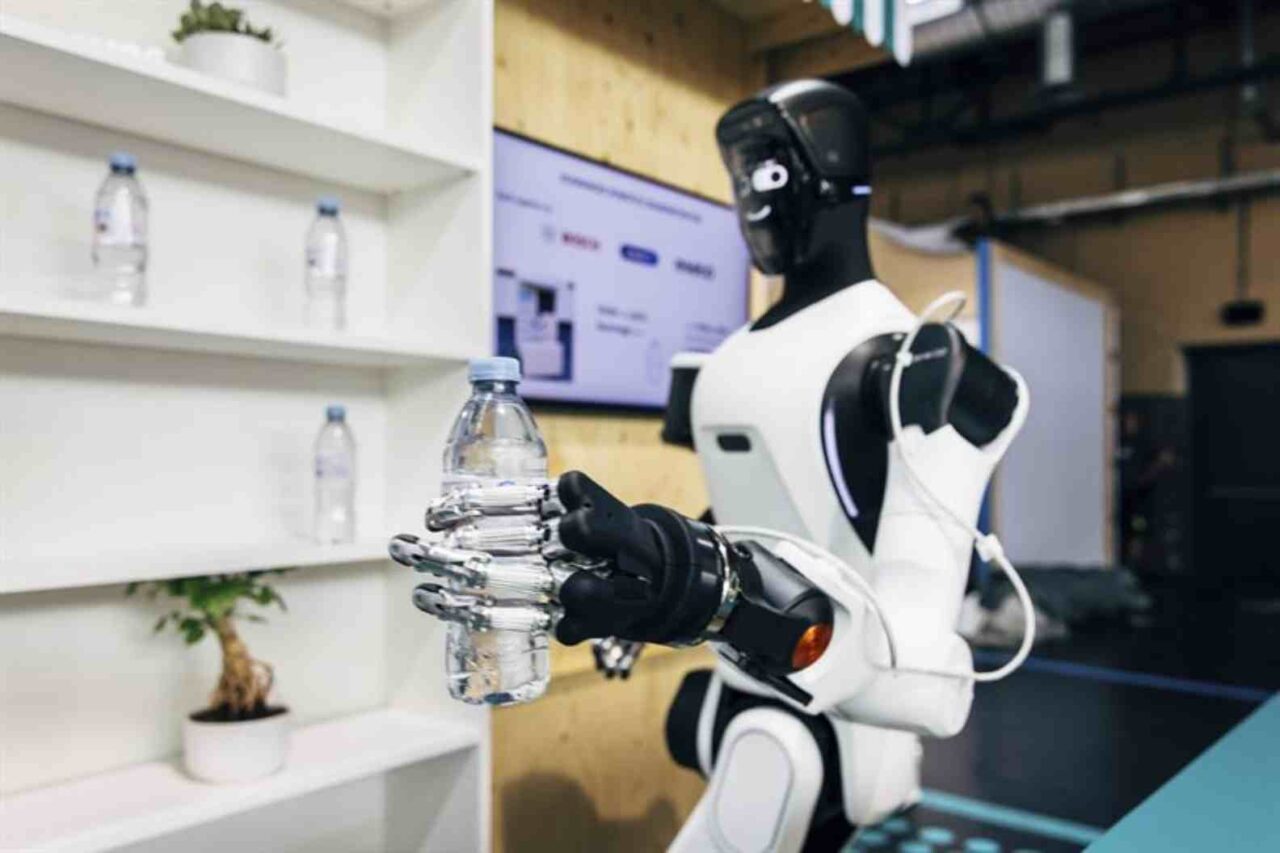
According to project partners, robots will perform reception duties, assist with luggage, deliver food, clean rooms, patrol facilities and interact directly with guests.
Developers say the goal is to create an integrated ecosystem rather than using individual robots for isolated tasks.
Executives involved in the project describe the system as a coordinated robotic network capable of managing continuous service operations.
Luxury Property Will Include Premium Facilities
The hotel itself will include 44 high-end guestrooms alongside restaurants, fitness facilities and additional guest areas.
Developers say hospitality automation will extend throughout all operational zones rather than being limited to selected services.
The project is being developed through cooperation between robotics company Pudu Robotics and tourism development partners based in Shenzhen.
Demonstrations shown during the partnership announcement included robots performing food delivery, cleaning operations and guest interaction scenarios.
Project Highlights Growing Automation Trend In Hospitality
Many hotels globally already use robots for specific tasks such as deliveries or cleaning, but fully integrated robotic operations remain relatively uncommon.
The developers say their objective is to remove service gaps by creating a more comprehensive automation model that reduces human intervention throughout the guest experience.
The project will be introduced in phases leading toward 2030, although developers expect the hotel itself to begin operations before the end of 2026.
The project highlights how automation, artificial intelligence and robotics are increasingly shaping the future direction of hospitality infrastructure worldwide.