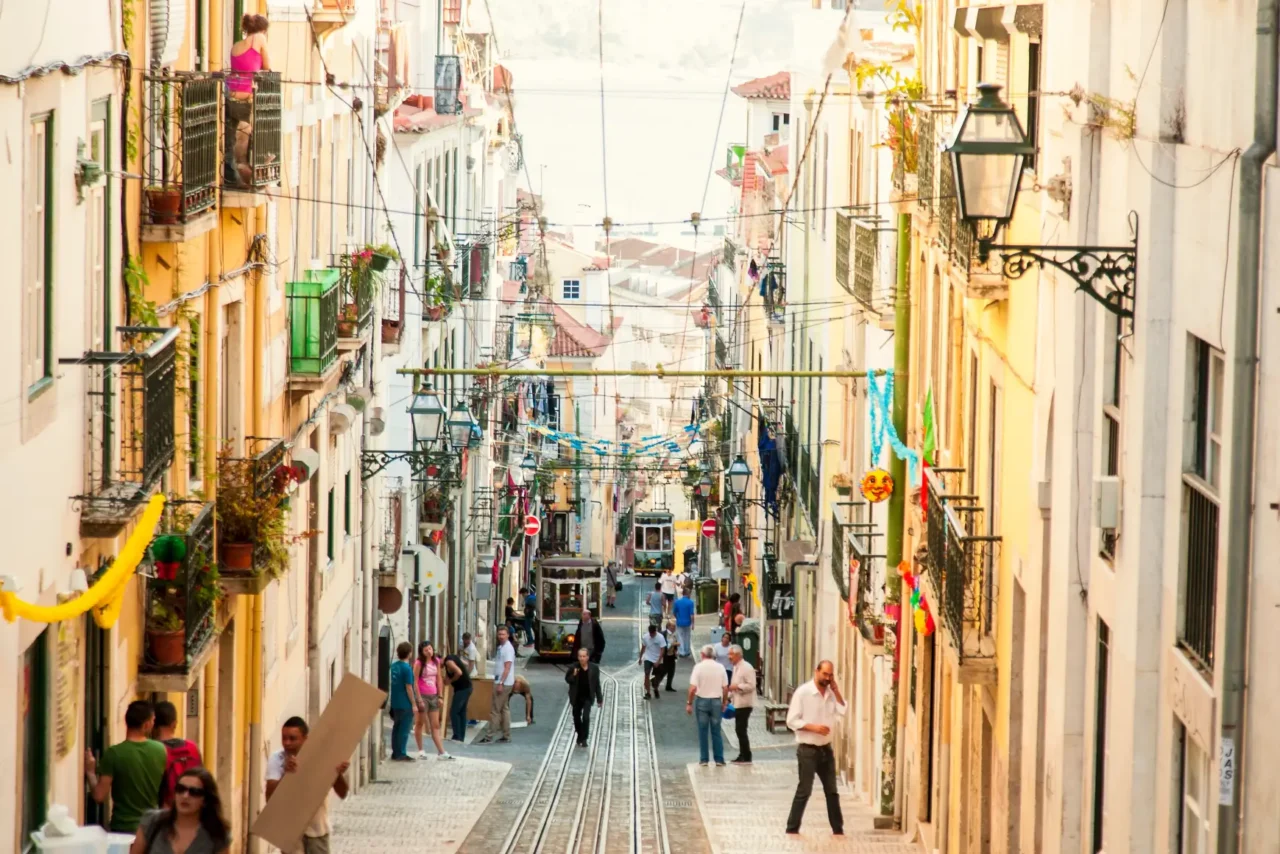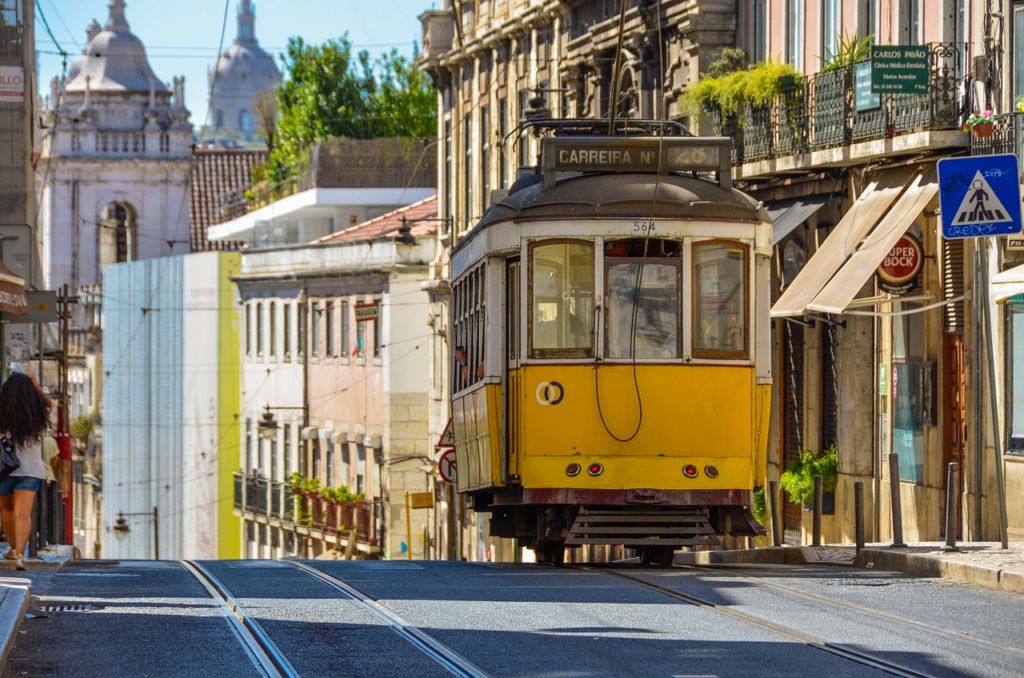

Lisbon has been named the best city in the world for people considering moving abroad, topping a new global ranking that evaluated cities based on safety, affordability, healthcare, quality of life and how easily newcomers can build a life in a new country.
The study, published by immigration consultancy Global Citizen Solutions, assessed 35 cities worldwide and highlights growing competition among destinations trying to attract international residents, remote workers and skilled migrants.
While traditional expat hubs remain strong performers, the ranking suggests affordability and social integration are becoming increasingly important factors shaping relocation decisions.
Why Lisbon Took The Top Spot
Portugal’s capital ranked first overall thanks to a combination of relatively affordable living costs, strong healthcare systems, safety and an environment considered welcoming for international residents.
The ranking also evaluated less common indicators including social integration and urban mobility, measuring not only whether cities are attractive on paper but also how easy they are to navigate and build a life in.
Lisbon’s combination of climate, lifestyle, infrastructure and international accessibility helped push it ahead of larger and more expensive global competitors.
Europe Dominates The Highest Rankings
Amsterdam secured second place with particularly strong scores for healthcare quality, public transportation, air quality and English-language accessibility.
However, high living costs prevented the Dutch capital from overtaking Lisbon.
Melbourne placed third overall and was recognized for environmental quality and clean air, while Vienna secured fourth place thanks to strong healthcare systems, affordability and high English proficiency.
Barcelona completed the top five, reinforcing Southern Europe’s continued popularity among international residents.
Asia-Pacific Cities Continue To Rise
Singapore ranked sixth overall, followed by Auckland, Tokyo, Copenhagen and Seoul completing the top ten.
The results reflect growing competition from Asia-Pacific destinations that combine strong infrastructure with increasing international accessibility.
Tokyo and Seoul, in particular, benefited from excellent transportation systems and urban mobility scores.
Affordability Does Not Guarantee Higher Rankings
The study also highlighted the world’s cheapest destinations for relocation.
Ho Chi Minh City ranked as the most affordable city surveyed, followed by Nairobi, Bali and Tbilisi.
However, these destinations scored lower overall because affordability alone could not compensate for weaker healthcare systems, lower infrastructure scores and more limited transportation networks.
The findings suggest that many international movers are increasingly balancing cost savings against lifestyle and public services.
The Most Expensive Cities To Relocate To
At the opposite end of the spectrum, Zurich emerged as the world’s most expensive city within the ranking.
Oslo followed closely behind, while Tel Aviv was identified as the third most expensive destination despite placing only 17th overall.
High housing costs and general living expenses continue to create challenges even for cities that perform strongly in other categories.
Social Integration Becomes A New Relocation Metric
One of the most notable elements of the study was its emphasis on social integration – measuring how easily newcomers can connect with communities and adapt to local life.
San José ranked first in this category, followed by Mexico City, Bali, Rio de Janeiro and Bangkok.
As remote work and international mobility continue reshaping migration patterns, rankings increasingly suggest that successful relocation is no longer determined only by salaries or cost of living.
For many prospective expats, the question is becoming much simpler: where can you build a life rather than simply afford one?