Aragon, one of Spain’s most overlooked regions, combines Roman history, mountain landscapes and strong local food traditions. It sits in the north-east of the country and stretches from the Pyrenees to the Iberian System, with a population spread across cities, villages and wide rural areas.
The region is best known internationally for Zaragoza, its capital, but it also holds one of Spain’s oldest kingdoms, important monasteries, dramatic rock formations and some of the country’s quietest travel routes. For visitors looking beyond the main Spanish tourist centres, Aragon offers history, nature and culture in one place.
Here are eight facts that explain why the region stands out.
1. Aragon was once a powerful medieval kingdom
Aragon began as a small county in the early Middle Ages before growing into a major kingdom. It later became one of the key powers in the Crown of Aragon, which played an important role in Mediterranean trade and politics.
The kingdom expanded over centuries and helped shape the history of north-eastern Spain. Its legacy remains visible in castles, churches and old town centres across the region.
2. Zaragoza is one of Spain’s largest cities
Zaragoza is the regional capital and Aragon’s biggest urban centre. It sits on the River Ebro and acts as the main transport, business and cultural hub for the region.
The city is known for its mix of Roman ruins, Mudéjar architecture and modern development. Many visitors use it as a base for exploring the rest of Aragon.
3. The Basilica del Pilar is a major pilgrimage site
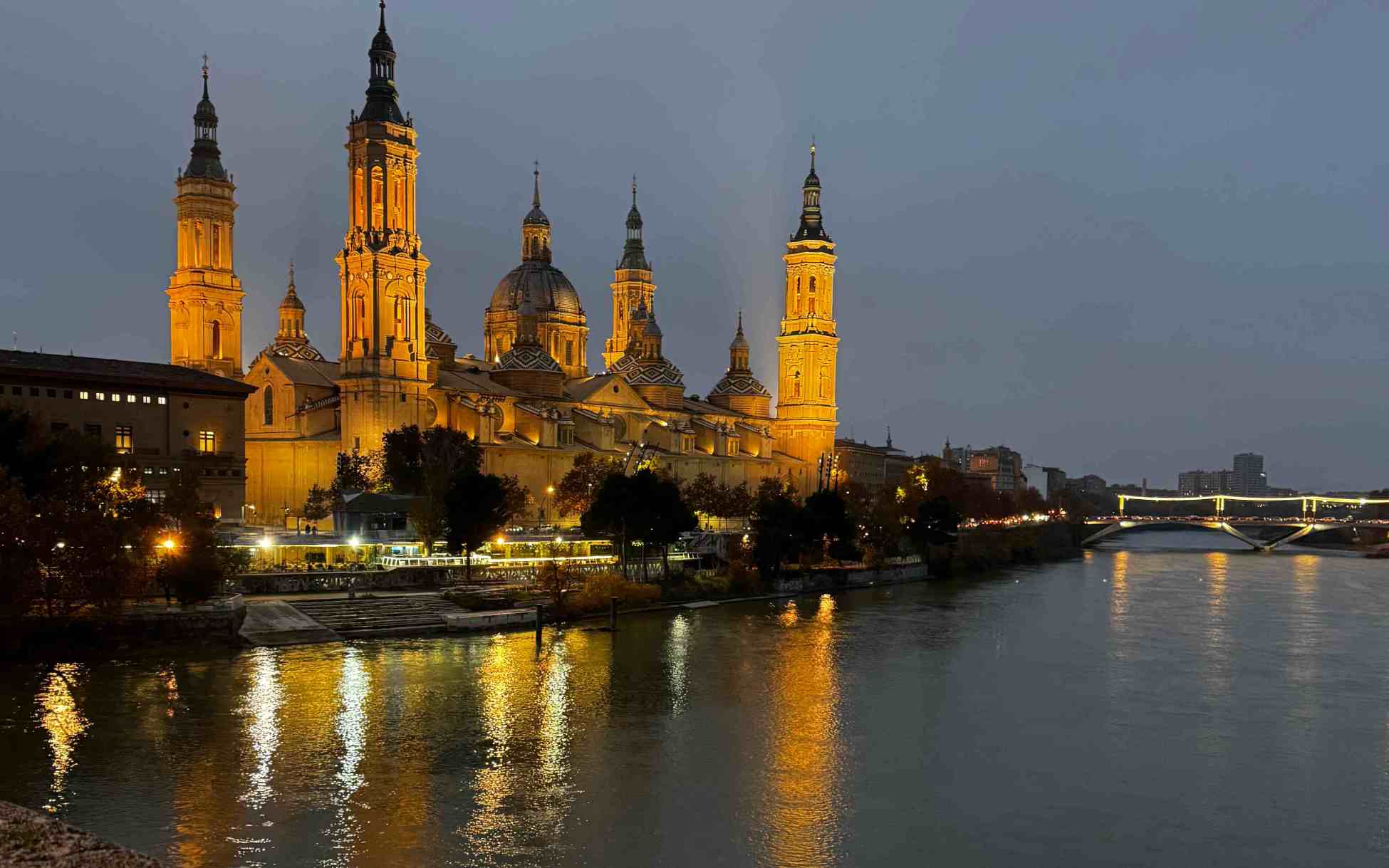
One of Zaragoza’s best-known landmarks is the Basilica del Pilar, a vast baroque church that stands beside the Ebro. It draws pilgrims, art lovers and architecture fans throughout the year.
The building is linked to one of Spain’s most important religious traditions and dominates the city’s skyline. Its twin towers and colourful tiled domes make it one of the region’s most recognisable sights.
4. Aragon has some of Spain’s strongest mountain scenery
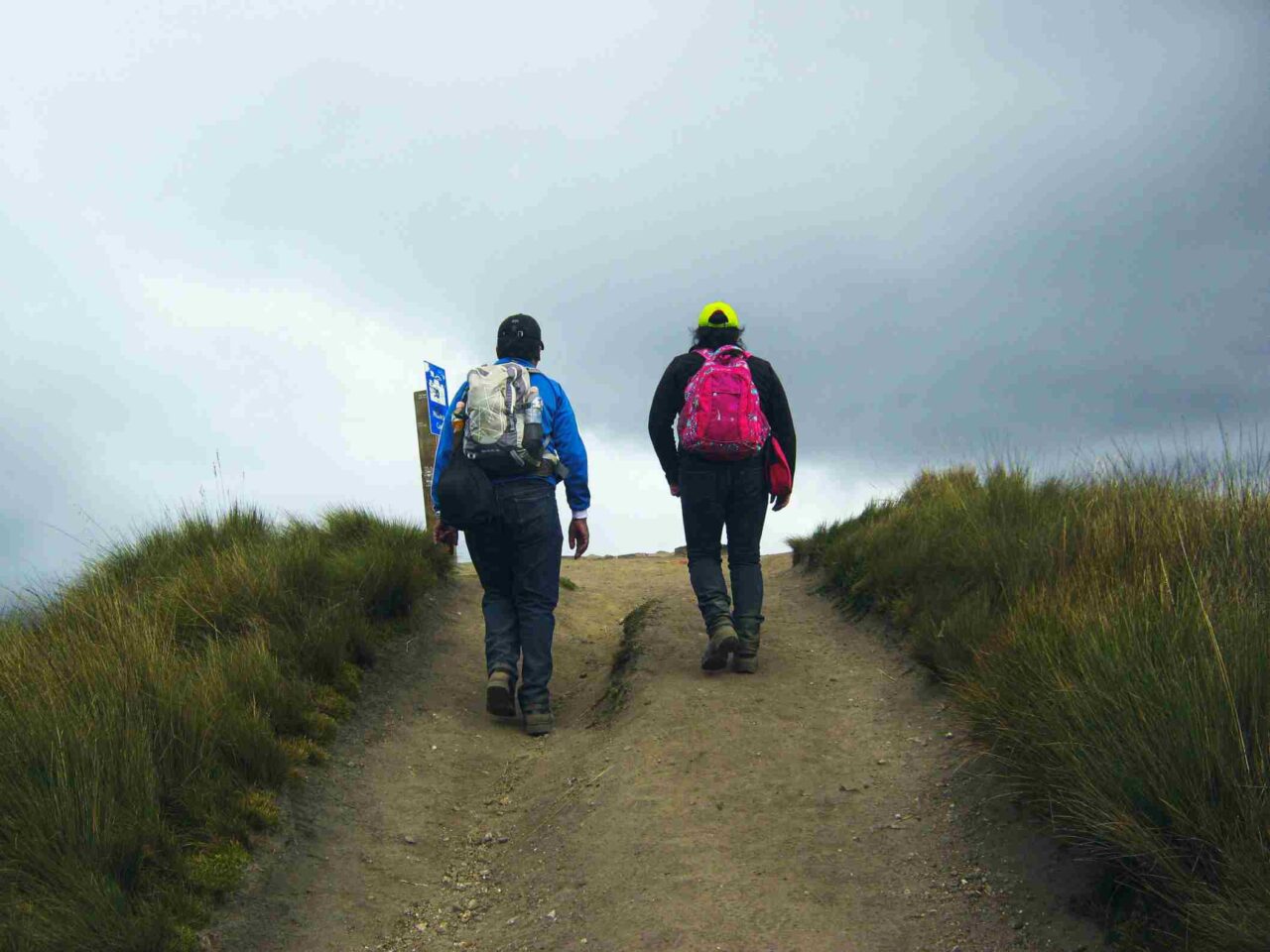
Much of northern Aragon lies in the Pyrenees, where travellers find ski resorts, hiking routes and remote valleys. The mountains attract visitors in both winter and summer.
National parks such as Ordesa and Monte Perdido draw walkers and nature lovers with steep cliffs, waterfalls and high trails. The landscape changes quickly from alpine terrain to forest and river valleys.
5. The region is rich in Mudéjar heritage
Aragon contains some of Spain’s finest Mudéjar buildings, a style that blends Islamic and Christian design. The UNESCO-listed examples in Zaragoza, Teruel and other towns are among the region’s cultural highlights.
Church towers, palaces and decorative brickwork show how different traditions shaped local architecture. This heritage gives Aragon a distinct visual identity compared with other parts of Spain.
6. Teruel is famous for a love story
Teruel, in southern Aragon, is known for the legend of the Lovers of Teruel. The story has inspired art, festivals and local identity for generations.
The city also stands out for its Mudéjar monuments and its compact historic centre. For many travellers, it offers a slower pace than Spain’s bigger tourist destinations.
7. Aragon has unusual landscapes and rock formations
Beyond the mountains, Aragon includes dry plains, river valleys and striking geological sites. One of the most famous is the Ordesa area, while other parts of the region feature dramatic cliffs and eroded rock formations.
These landscapes make the region appealing for walking, photography and road trips. They also help explain why Aragon remains less crowded than many Spanish coastal destinations.
8. Local food reflects the region’s rural roots
Aragon’s cuisine includes lamb, vegetables, olive oil, cured meats and traditional stews. Many dishes reflect the agricultural life that still shapes much of the region.
Visitors often find hearty meals in rural restaurants and city taverns alike. Local produce and simple recipes remain central to the region’s food culture.
Aragon may not be as well known as Barcelona, Madrid or Andalusia, but it offers a strong mix of history, culture and outdoor travel. Its medieval past, mountain scenery and local traditions make it one of Spain’s most varied regions for visitors willing to look further afield.