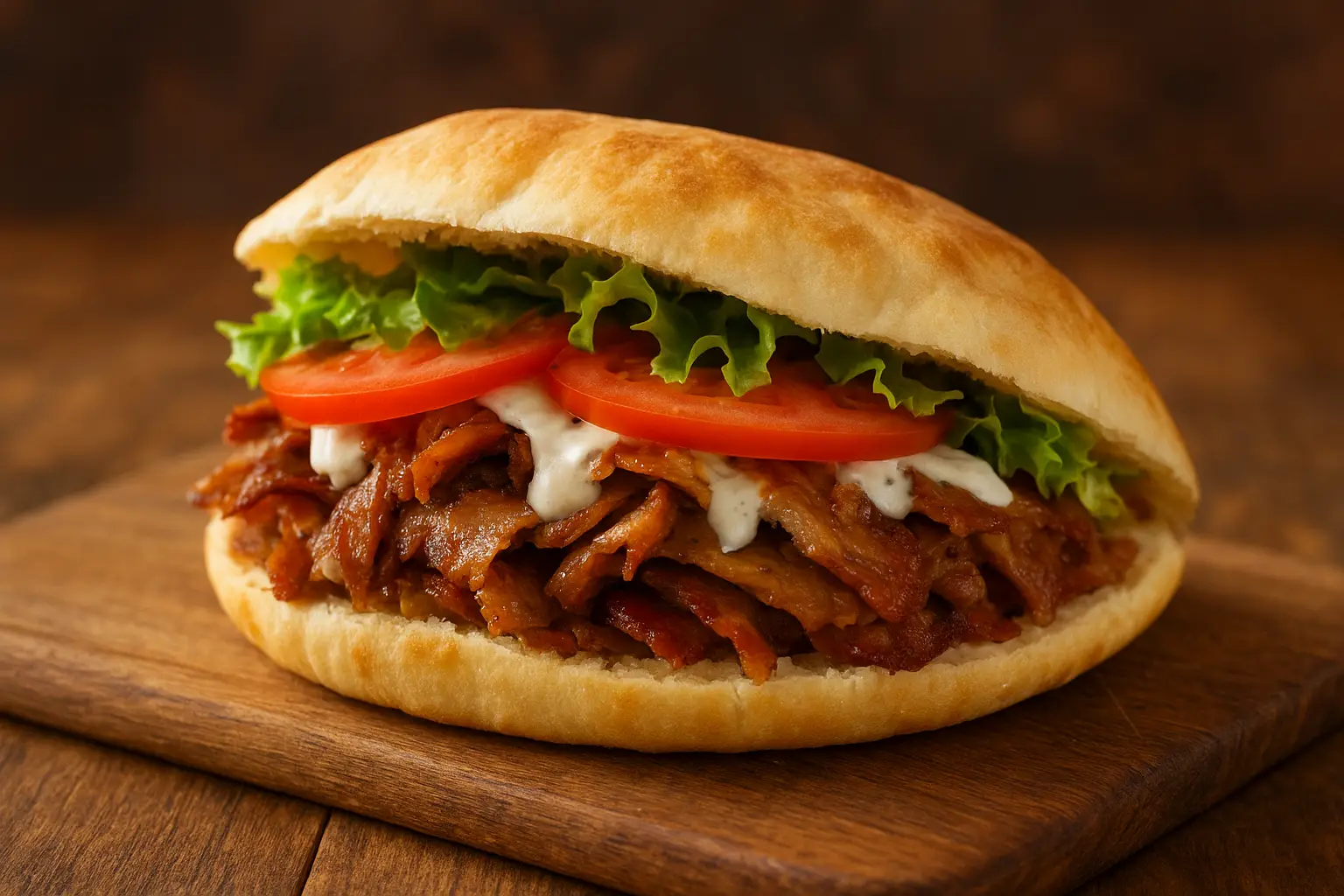
A three-year-long dispute over the popular dish doner in Germany has officially ended: Turkey has withdrawn its request to the European Union that could have led to restrictions on common German-style doner varieties.
The Istanbul-based International Doner Union (Udofed) had sought to register doner as a “traditional delicacy,” which would have meant that the dish could only be prepared according to Turkish recipes—excluding the types of meat, vegetable toppings, and sauces commonly used in Germany.
For Germany, the outcome is a victory. The German government formally opposed Turkey’s request, with former Agriculture Minister Cem Özdemir openly defending “German doner.” Turkey’s chances of success had dwindled in recent months.
The case had implications for approximately 18,500 doner shops across Germany. Experts estimated that 80–90% of these businesses could have been prohibited from calling their product “doner” if Turkey’s registration had succeeded.
UDOFED’s application demanded specific production standards, including:
- Beef from cattle no younger than 16 months
- Prohibition of veal in doner production
- Ban on calling turkey meat products “doner”
- Restrictions limiting salt content to 2%
- Required use of 55-centimeter knives instead of electric slicing machines
- Specific marinade ingredients that would eliminate current recipes
“We are pleased that the diversity of doner in Germany will be preserved and may even grow,” said Erdogan Koch, a spokesperson for the German Doner Producers Association.