The skies over Asia are getting busier — fast. According to new projections from the International Air Transport Association (IATA), the Asia-Pacific region will see its air passenger numbers double by 2043, ushering in a new era of super-hub airports. In response, several of the region’s major airports are undergoing bold expansions, all with one goal in mind: joining the elite “100 Million Club.”
Here’s a look at the airports poised to become the next global giants of air travel, according to OAG:
Singapore Changi Airport: From Jewel to Mega-Hub
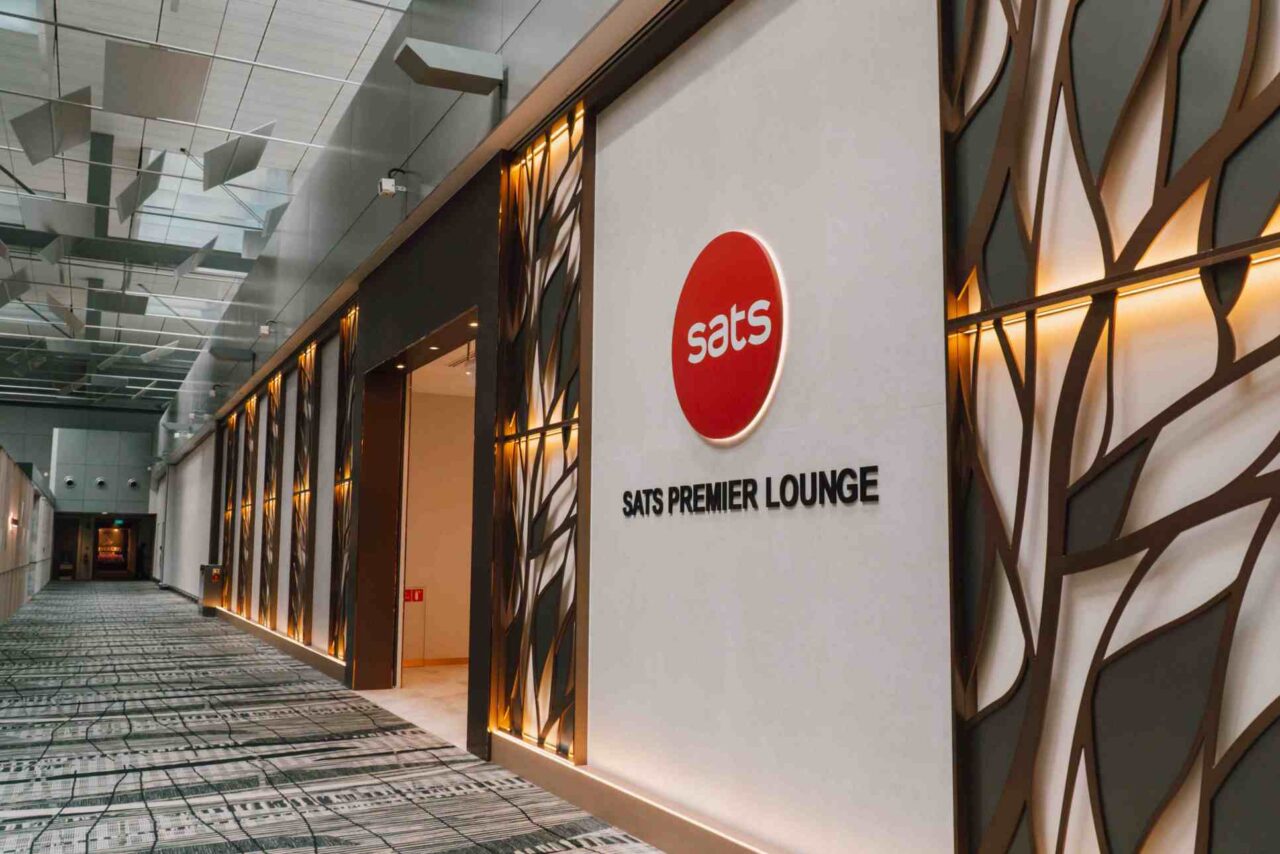
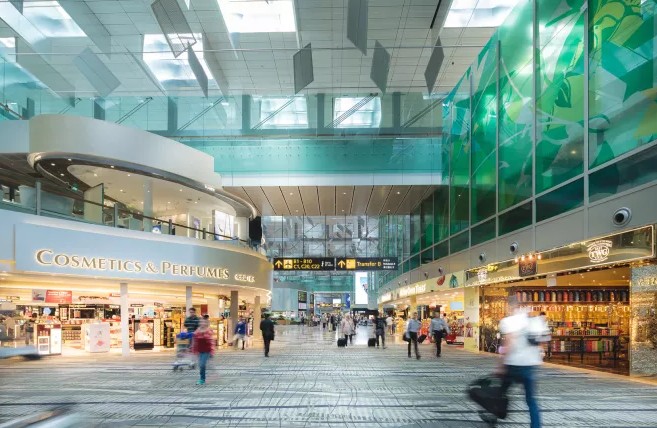
Already famed for its cutting-edge terminals, Changi Airport began construction on its massive Terminal 5 in May 2025, which will add capacity for 50 million passengers annually, boosting total capacity to around 140 million by the mid-2030s. A third runway extension is also in the pipeline for 2027, transforming Changi into one of the most powerful aviation hubs in the world.
Hong Kong International Airport: Triple-Runway Ambitions
Hong Kong is making a big leap with a third runway and expanded Terminal 2. Phased operations begin in September 2025, with full terminal services rolling out by 2027. The airport’s current capacity of 74 million is set to climb to 104 million in the near term and a projected 120 million annually in the long run.
Bangkok Suvarnabhumi: The Southeast Asian Powerhouse
Thailand’s gateway is also stepping up. With a fourth runway and a massive South Terminal on the way, Suvarnabhumi Airport aims to grow from 65 million to 150 million passengers per year by 2033. The upgrade positions Bangkok as a major connector between East and West.
Seoul Incheon: Expansion Already Underway
Incheon Airport wrapped up its Phase 4 expansion in December 2024, increasing capacity to 106 million passengers annually with a new terminal and a fourth runway. Plans are now under review for a third terminal and fifth runway to support booming demand from low-cost and international carriers alike.
Vietnam’s Long Thanh: A Brand-New Mega-Airport
Just outside Ho Chi Minh City, Long Thanh International Airport is being built from the ground up. Phase 1, due by 2026, will handle 25 million passengers annually. By 2050, with four terminals and runways in place, the airport aims to manage 100 million passengers and 5 million tons of cargo every year — cementing Vietnam’s place on the global air map.
Greater Manila: The Philippines Takes Flight
The Philippines is addressing congestion at Ninoy Aquino and Clark Airports with a bold new plan — the construction of a third international airport in Bulacan, with phased growth toward 100 million passengers annually. Meanwhile, NAIA will get a new terminal, adding 35 million in capacity, and Sangley Point Airport is set for transformation into a four-runway international facility with a capacity of 75 million passengers.
Asia’s aviation future is scaling up fast — and these airports are leading the charge. As passenger demand climbs, these mega-projects signal a bold vision for connectivity, commerce, and global travel dominance in the decades ahead.