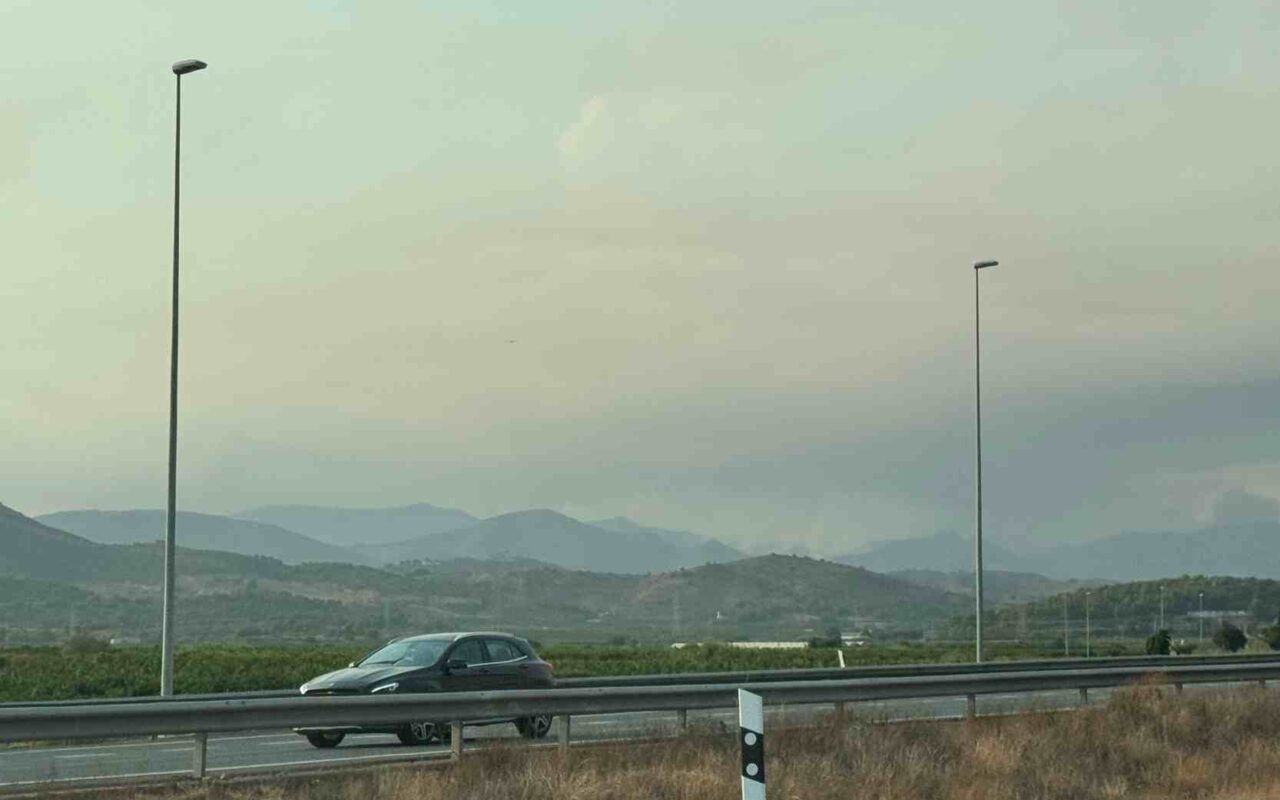
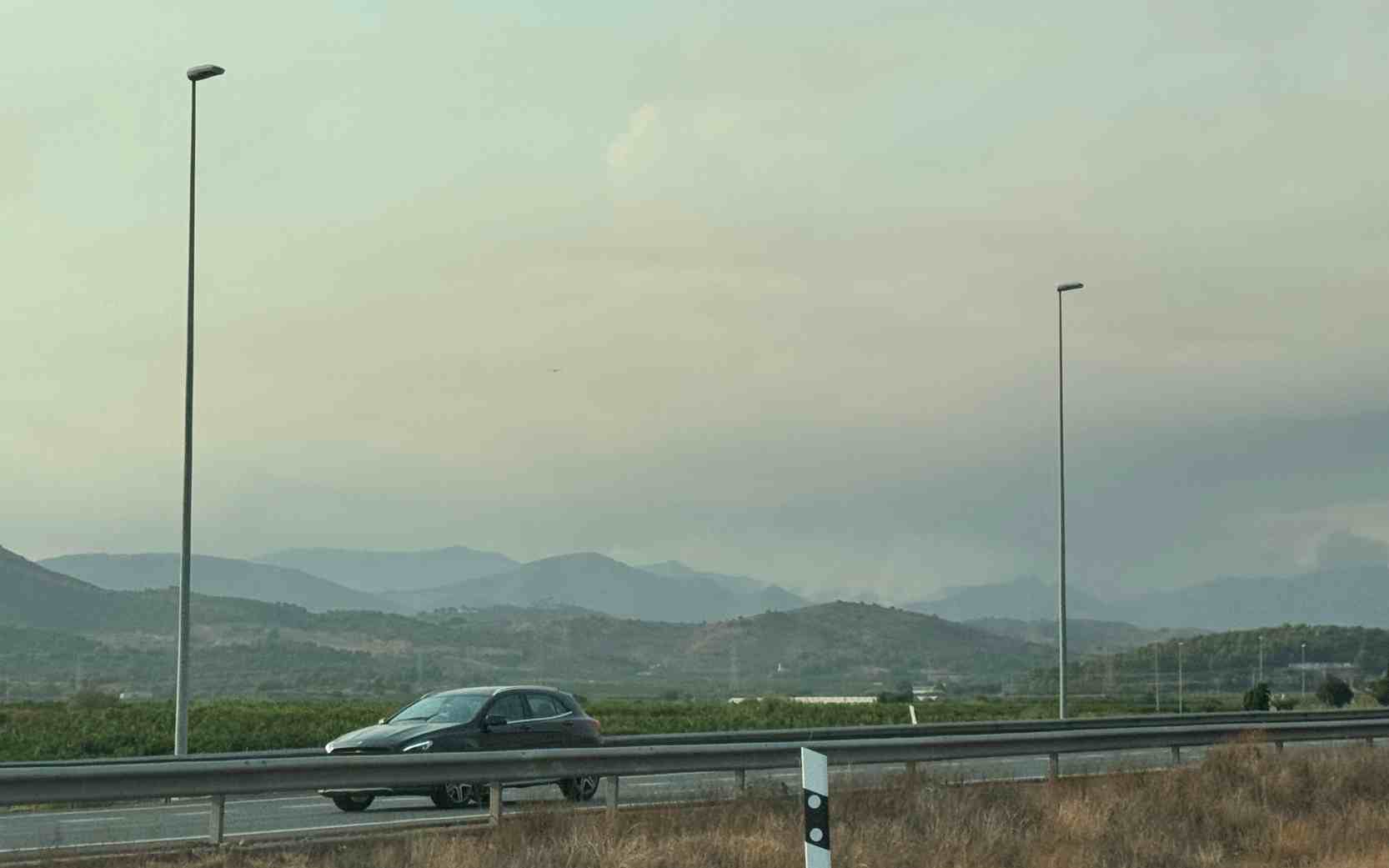
Massive wildfires are continuing to devastate parts of France and Spain, forcing more than 300,000 people to evacuate as authorities warn that another round of intense heat could worsen conditions in the coming days.
French President Emmanuel Macron is scheduled to convene a crisis cabinet meeting on Monday to coordinate the national response, while Spanish Prime Minister Pedro Sánchez is expected to visit wildfire-stricken areas in the Valencia region.
The largest fire in France, which broke out in the Gironde department on Wednesday, has already burned around 42,000 hectares (nearly 104,000 acres), making it one of the country’s largest wildfire disasters on record. French media report that it has triggered one of the biggest evacuation operations in the nation’s history.
In Spain, wildfires have scorched approximately 77,000 hectares (around 190,000 acres) across several regions, including parts of Ávila, Toledo and the Valencia region, where firefighters continue to battle multiple active blazes.
Extreme Weather Created Ideal Fire Conditions
Experts say a combination of meteorological factors has created exceptionally dangerous wildfire conditions across southwestern Europe.
An unusually wet winter encouraged abundant vegetation growth across France and Spain. However, rainfall dropped sharply from spring onwards, while prolonged drought and three record-breaking summer heatwaves dried vegetation to critical levels.
Approximately 90% of wildfires are caused by human activity, with sparks often igniting highly combustible “fine fuels” such as dry grass, pine needles, twigs and leaf litter. Under this summer’s extreme conditions, these materials have become exceptionally easy to ignite.
Scientists also note that fine fuel moisture values have reached exceptionally high-risk levels, while prolonged drought has dried larger vegetation, including shrubs, roots and forest litter. These heavier fuels burn much hotter, smoulder for extended periods and produce intense heat capable of generating towering convection columns that carry burning embers far ahead of the main fire front.
Changing Winds Hamper Firefighting Operations
Weather conditions have further complicated efforts to contain the fires. In Gironde, easterly winds initially pushed the wildfire west toward the Atlantic coast before a sudden shift to westerly winds drove the flames back toward Bordeaux.
Large wildfires can also generate their own weather systems, producing powerful and unpredictable winds that make suppression efforts significantly more difficult.
Thunderstorms that passed over affected areas during the weekend provided little rainfall. Instead, downdrafts generated by evaporating rain may have intensified fire behaviour by creating sudden, powerful gusts at ground level. Dry lightning associated with these storms also poses a risk of igniting new fires.
Thousands of Emergency Personnel Deployed
French Prime Minister Sébastien Lecornu described the ongoing wildfire emergency as a “historic situation”. Nearly 100,000 hectares (247,000 acres) have burned in France since the beginning of the year, an unprecedented figure for the country.
French authorities have mobilized approximately 2,500 firefighters, 1,500 military personnel, and nearly 1,200 police officers to combat the fires and assist affected communities. Emergency services in both France and Spain remain on high alert as forecasts indicate additional heatwaves could further increase wildfire danger throughout the week.