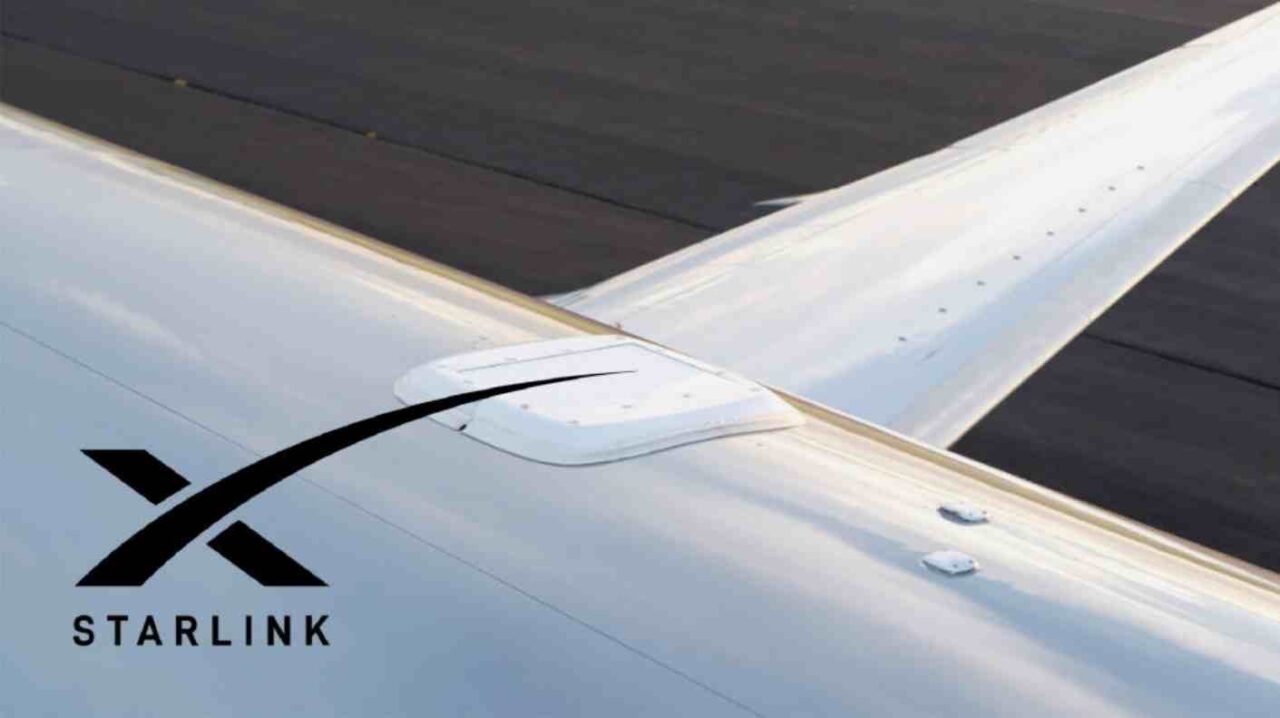
NTT DoCoMo has announced that its satellite-to-smartphone service, DoCoMo Starlink Direct, has surpassed one million users just a few months after launching in Japan. The milestone highlights growing interest in direct-to-device (D2D) satellite connectivity, although experiences in other markets suggest maintaining that momentum could become more difficult once the service is no longer free.
Launched in late April in partnership with Starlink, DoCoMo Starlink Direct extends mobile connectivity to areas beyond the reach of conventional cellular networks. The service is designed primarily for emergency communications and access to essential applications such as maps, weather forecasts and location services in remote environments including Japan’s mountainous regions, isolated islands and offshore waters.
Free Access Drives Early Adoption
The service is available at no additional cost to customers across virtually all DoCoMo mobile plans, with the exception of plans intended for in-flight use. While the operator celebrated reaching one million users, it has not disclosed how frequently subscribers are actively using the satellite connection.
That question is becoming increasingly important as operators around the world expand direct-to-device offerings. Industry data indicates that while many customers are eager to try satellite connectivity when it is free, long-term usage often declines once monthly subscription fees are introduced.
Lessons From the US Market
T-Mobile US, one of the earliest operators to launch a commercial D2D service through its T-Satellite offering, has already observed this trend. During the company’s first-quarter earnings call, CEO Srini Gopalan said usage had fallen short of expectations nearly a year after launch.
According to T-Mobile, the majority of satellite usage comes from customers visiting national parks and other remote locations where traditional mobile coverage is unavailable. Rather than becoming an everyday communications tool, the service is primarily being used only when customers genuinely need it.
While this demonstrates the value of satellite connectivity for safety and emergency situations, it also limits its potential as a significant new revenue source for mobile operators and satellite providers.
Analysts See Drop After Free Trials End
Research published by network analytics firm Ookla supports this pattern. Although the number of D2D users continues to grow as additional operators launch satellite services, markets with more established offerings have seen many customers discontinue usage after introductory free periods expire.
Industry observers note that this behaviour is hardly surprising. Many users are willing to experiment with a new technology when there is no additional cost, but are less inclined to continue paying monthly fees—typically around US$10 in North American markets—if they only need satellite connectivity on rare occasions.
Pricing Will Be the Next Challenge
DoCoMo has not yet revealed its long-term pricing strategy for Starlink Direct. While many expect the operator to introduce charges eventually, it remains unclear whether it will follow the traditional monthly subscription model or adopt a more flexible pay-as-needed approach.
Such a model could prove more attractive for customers who only require satellite connectivity during hiking trips, offshore activities or travel to remote regions, potentially helping DoCoMo retain users while still generating revenue from the service.
As direct-to-device satellite connectivity continues to expand globally, Japan’s experience may provide another important test of whether the technology can evolve from an emergency backup into a sustainable commercial mobile service.