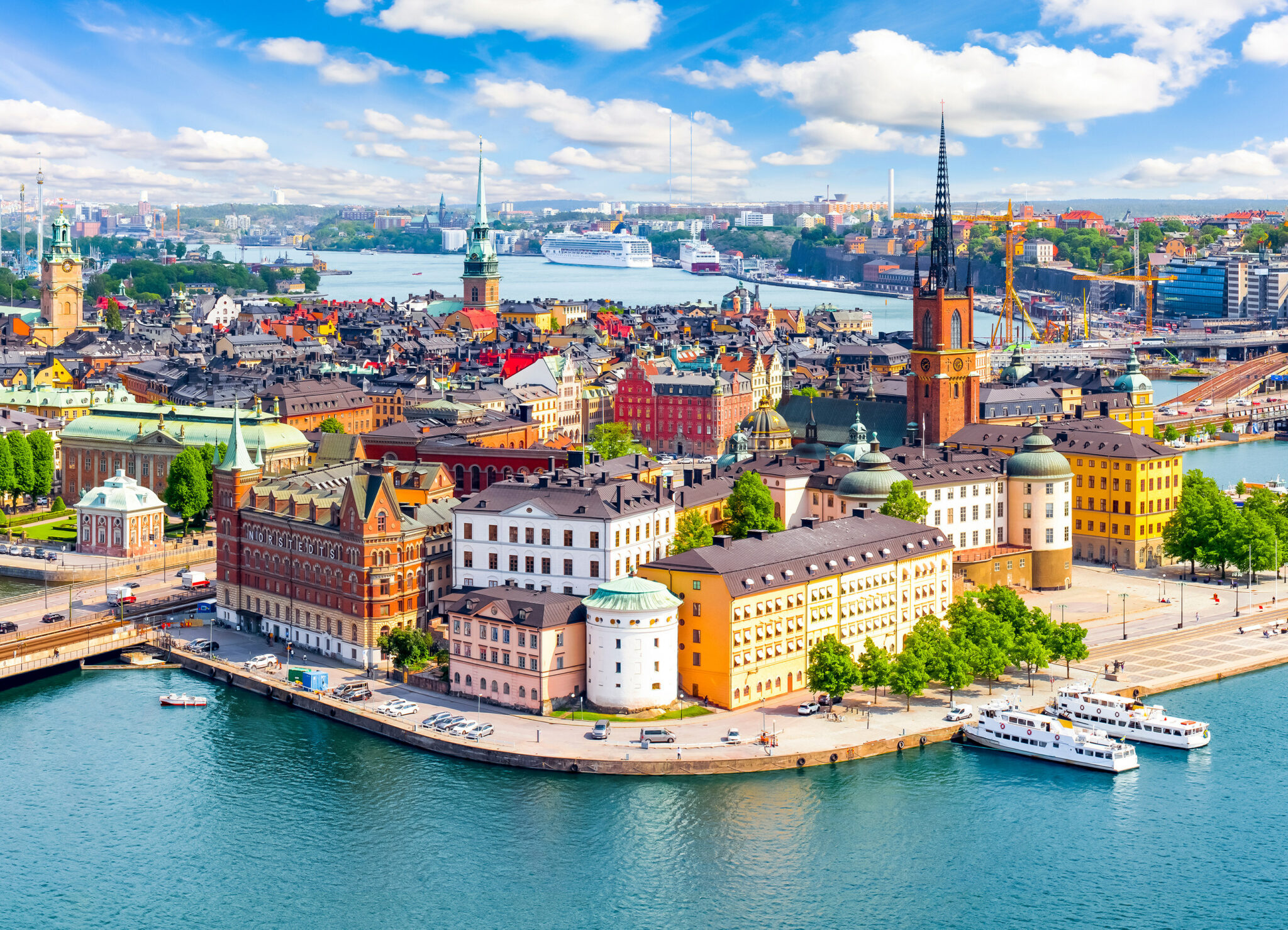
The Swedish capital has experienced strong post-pandemic tourism recovery, driven by growing interest in Nordic travel, cultural tourism and Scandinavian lifestyle experiences.
International arrivals have continued rising as airlines expand connections between Stockholm and major European hubs.
Stockholm Prioritises Quality Over Mass Tourism
Rather than pursuing mass tourism, Stockholm authorities are focusing on a model similar to Paris, emphasising quality over quantity, longer visitor stays and stronger integration between tourism, culture and urban life.
Unlike some overcrowded European capitals, Stockholm is attempting to grow tourism without embracing large-scale mass tourism.
Officials are increasingly promoting a strategy centred around sustainability, design, gastronomy, wellness and premium travel experiences rather than simply increasing visitor volumes.
Archipelago Becomes Key Tourism Asset
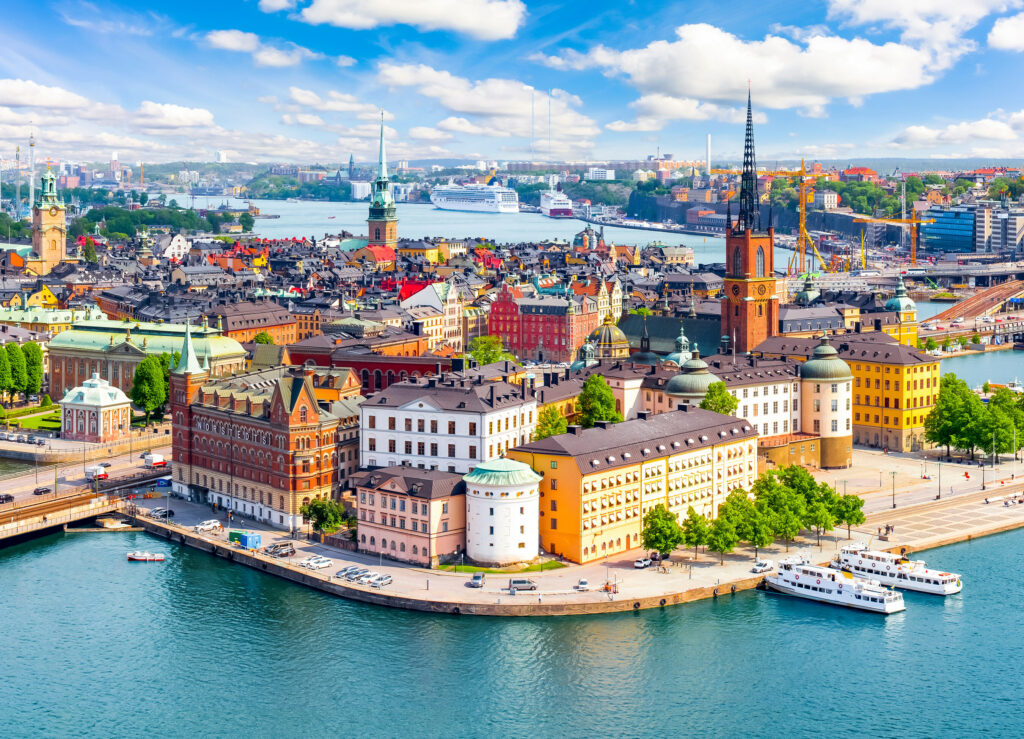
Stockholm is spread across 14 islands and connected to an archipelago of roughly 30,000 islands, which has become one of the city’s strongest tourism assets.
Authorities are increasingly using the archipelago, waterfront lifestyle and year-round cultural experiences as central elements of Stockholm’s international tourism branding.
The city’s combination of urban experiences and nature-focused tourism continues attracting international visitors seeking slower-paced and experience-driven travel.
Sustainability Remains Central To Tourism Growth
City planners and tourism officials are prioritising premium hospitality, gastronomy, events and waterfront experiences while attempting to avoid some of the overtourism pressures seen in other major European destinations.
Sustainability remains central to Stockholm’s tourism positioning, with continued investment in public transport, walkability, green spaces and environmentally focused tourism experiences.
Officials believe this approach strengthens the city’s appeal among travellers increasingly seeking cleaner, less congested and more liveable urban destinations.
Nordic Tourism Demand Continues Rising
Tourism industry analysts say Nordic cities are becoming increasingly attractive to travellers searching for cooler summer destinations and slower-paced cultural experiences.
The trend has accelerated as several southern European destinations continue facing overcrowding concerns and extreme summer temperatures during peak travel periods.
Stockholm has particularly benefited from rising demand for wellness tourism, outdoor experiences and Scandinavian lifestyle-focused travel.
Luxury Hospitality Sector Expands
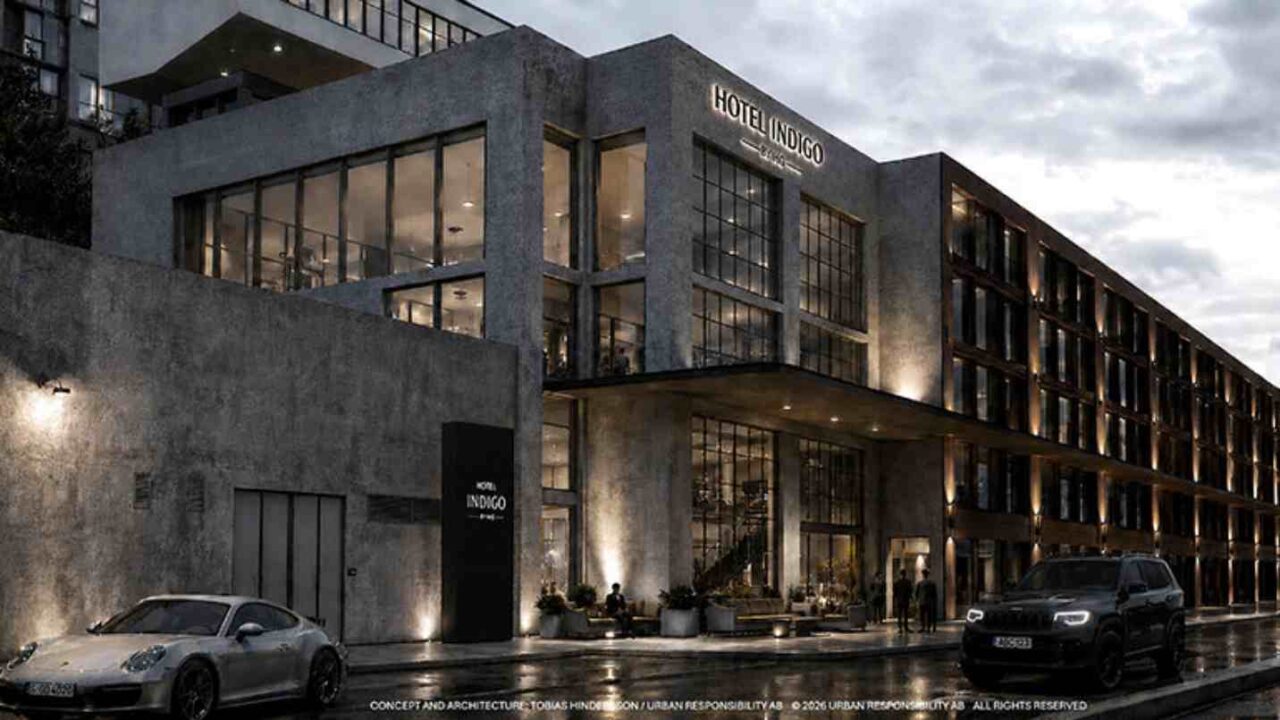
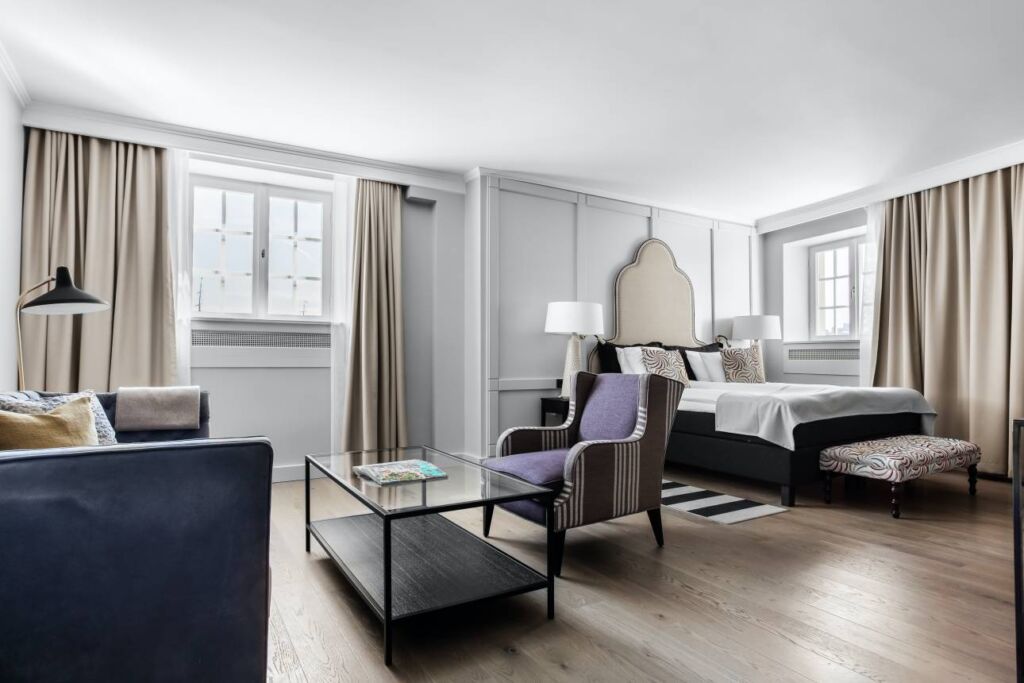
Stockholm’s hotel sector has continued expanding in response to growing visitor demand, particularly within the luxury and lifestyle hospitality segments.
New hotel openings and upgraded waterfront properties are helping strengthen Stockholm’s position as a premium urban destination within the European tourism market.
Year-Round Tourism Strategy Gains Momentum
Authorities are also promoting year-round tourism in an effort to reduce seasonal concentration during the busy summer months.
Winter events, culinary tourism and expanded cultural programming are playing larger roles in attracting visitors outside the traditional peak season.
Stockholm Positions Itself For Long-Term Sustainable Growth
As European tourism patterns continue evolving, Stockholm is positioning itself as a curated, sustainable and experience-focused destination inspired by long-term tourism management strategies increasingly associated with cities such as Paris.
Officials believe the approach will help preserve quality of life for residents while supporting long-term tourism growth and higher visitor spending.