
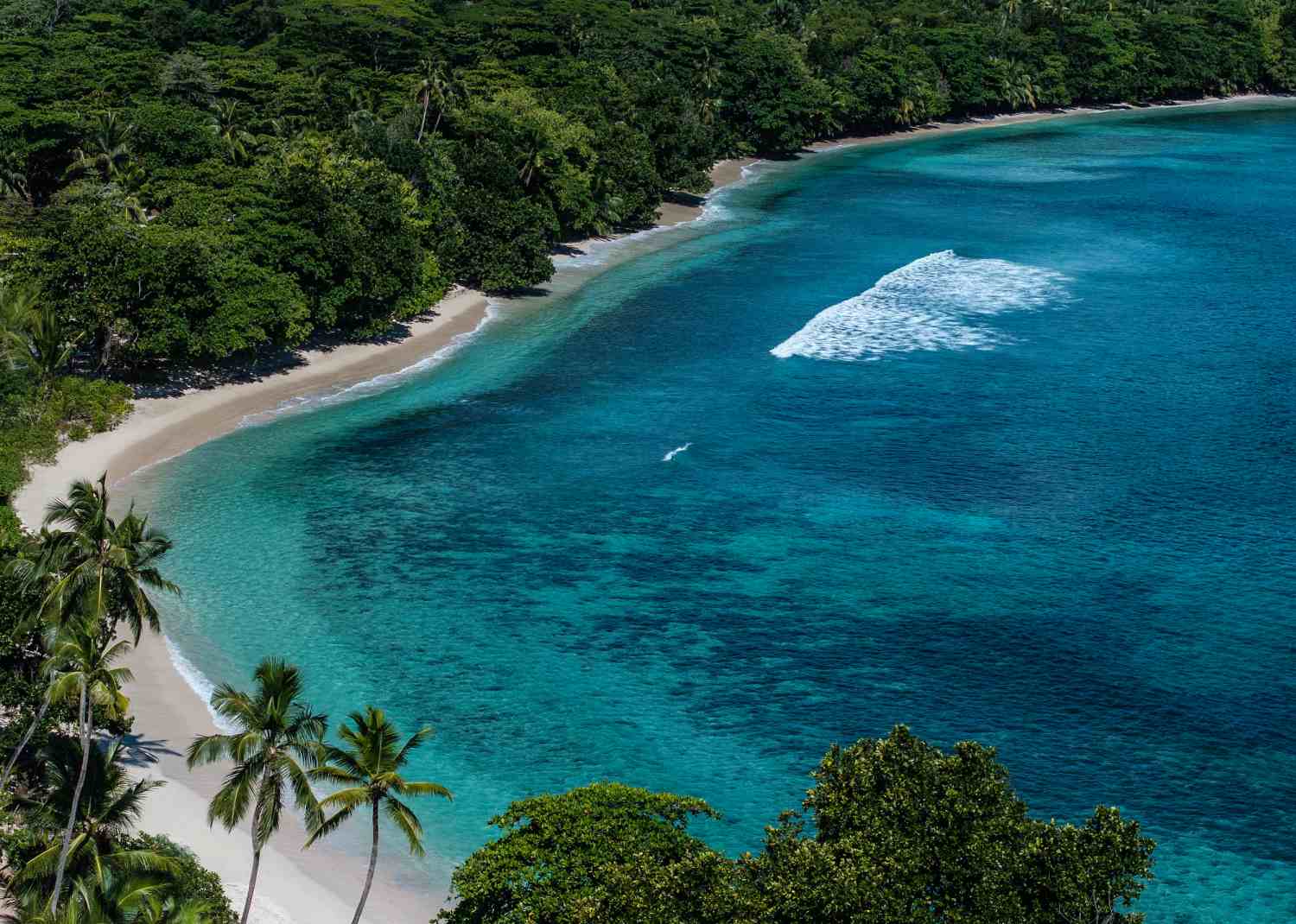
Some of the world’s most iconic travel destinations could be partially or completely submerged within the next 80 years as rising sea levels accelerate due to climate change, according to global forecasts.
Data from the Intergovernmental Panel on Climate Change suggests that sea levels could rise between 32 and 84 centimetres by 2100. While major cities such as New Orleans and Tokyo face increasing flood risks, low-lying island nations are confronting a far more severe scenario — the possibility of disappearing entirely.
Island Nations On The Front Line
Among the most vulnerable are the Maldives, where the average elevation is just 1.5 metres above sea level. Scientists warn that up to 80% of its islands could become uninhabitable by 2050.
Other high-risk locations include Kiribati, where sea levels are rising at a rate far above the global average, and Tuvalu, where up to 95% of land could be submerged by the end of the century.
Destinations such as Fiji, Samoa and Seychelles are also facing growing threats from coastal erosion, coral reef loss and increasingly extreme weather events.
Coastal Cities And Tourism Hotspots Under Pressure
It is not only island nations at risk. Historic destinations like Venice are already experiencing more frequent flooding. The city has endured multiple severe flood events in recent decades and continues to slowly sink, compounding the impact of rising seas.
Elsewhere, Miami faces a unique challenge due to its porous limestone foundation, allowing water to rise from below as well as from the ocean. Countries such as Bangladesh could lose significant portions of land, potentially displacing millions of people.
Even nations with advanced flood management systems, such as the Netherlands, remain highly exposed, with large parts of their territory already below sea level.
Entire Landscapes Already Changing
In regions like the Marshall Islands and Solomon Islands, the effects are no longer theoretical. Coastal erosion and rising waters have already led to the disappearance of smaller islands and the flooding of previously habitable land.
Other vulnerable areas include Palau, the Torres Strait Islands and Nauru, where environmental degradation and sea-level rise are combining to threaten long-term sustainability.
The Risk Of “Last Chance Tourism”
Despite the urgency, experts are warning against the rise of so-called “last chance tourism,” where travellers rush to visit endangered destinations before they disappear.
Increased tourism can place additional strain on fragile ecosystems, accelerate environmental degradation and put local communities at risk. Instead, specialists are calling for more sustainable travel practices and long-term climate action.
A Defining Challenge For Global Travel
The potential loss of these destinations highlights a broader shift facing the travel industry. Rising sea levels are no longer a distant threat but an unfolding reality that is already reshaping coastlines, economies and tourism patterns worldwide.
For travellers, governments and the industry alike, the challenge will be balancing access with preservation — ensuring that these places can endure for future generations rather than becoming memories of a changing planet.