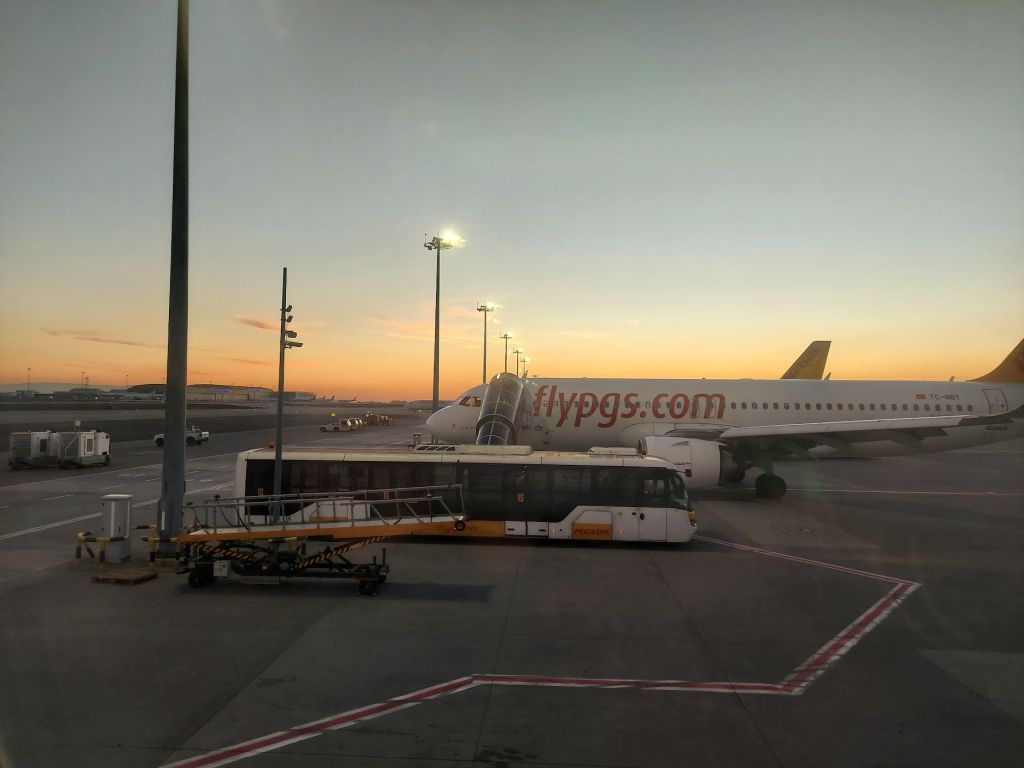
Travel disruption is intensifying in Turkey, as Pegasus Airlines faces a growing wave of delays and cancellations centred on Sabiha Gökçen International Airport.
Recent aviation data shows the airline among the most affected operators at Istanbul’s secondary hub, with dozens of delayed departures and multiple cancellations recorded across both domestic and international routes. Today’s figures add to an already strained picture, with a combined total of 25 cancellations and 134 delays reported across ongoing disruption cycles.
The impact is being felt across Turkey’s busiest domestic corridors. Flights connecting Istanbul with Ankara, Izmir, and Antalya are experiencing frequent delays, alongside popular leisure routes to Bodrum and Dalaman – key destinations as the summer travel season approaches.
International services are also affected. Routes linking Sabiha Gökçen with major European cities such as Vienna, Brussels, and London, as well as Gulf destinations including Dubai and Kuwait, have seen operational disruptions in recent days.
For passengers, this has translated into extended waiting times inside terminals, missed connections, and uncertainty around departure schedules. The concentration of delays at a single hub is particularly disruptive, as aircraft rotations and crew schedules are tightly interconnected.
Sabiha Gökçen, which primarily serves low-cost and regional carriers, is known for operating at high capacity, especially during peak travel periods. When delays begin to build, they can quickly cascade across the network, affecting multiple routes throughout the day.
While no single cause has been officially confirmed, such disruptions are often linked to a mix of operational pressure, air traffic congestion, and seasonal demand increases.
For travellers flying with Pegasus or transiting through Istanbul, the situation underscores the importance of checking flight updates regularly, allowing extra time at the airport, and preparing for potential schedule changes.
As the summer season approaches, how quickly operations stabilise at one of Turkey’s busiest secondary hubs will be critical for maintaining reliability across both domestic and regional travel networks.