England’s most iconic long-distance walk has entered a new era. The Coast to Coast path – a 190-mile journey linking the Irish Sea to the North Sea – has officially been designated as the country’s newest national trail, elevating a route long considered legendary among hikers.
The trail begins in St Bees and stretches across northern England to Robin Hood’s Bay, passing through three of the country’s most celebrated landscapes – the Lake District National Park, Yorkshire Dales National Park and North York Moors National Park.
Originally conceived in 1973 by Alfred Wainwright, the route quickly became a rite of passage for serious walkers, despite lacking formal national trail status for decades. Now, following a £5.5 million transformation led by Natural England, it has finally received official recognition.
The upgrade represents four years of coordinated work across multiple agencies, including national park authorities and local councils. According to Natural England, the goal was not only to formalize the route but to future-proof it – improving accessibility, strengthening infrastructure, and addressing environmental pressures.
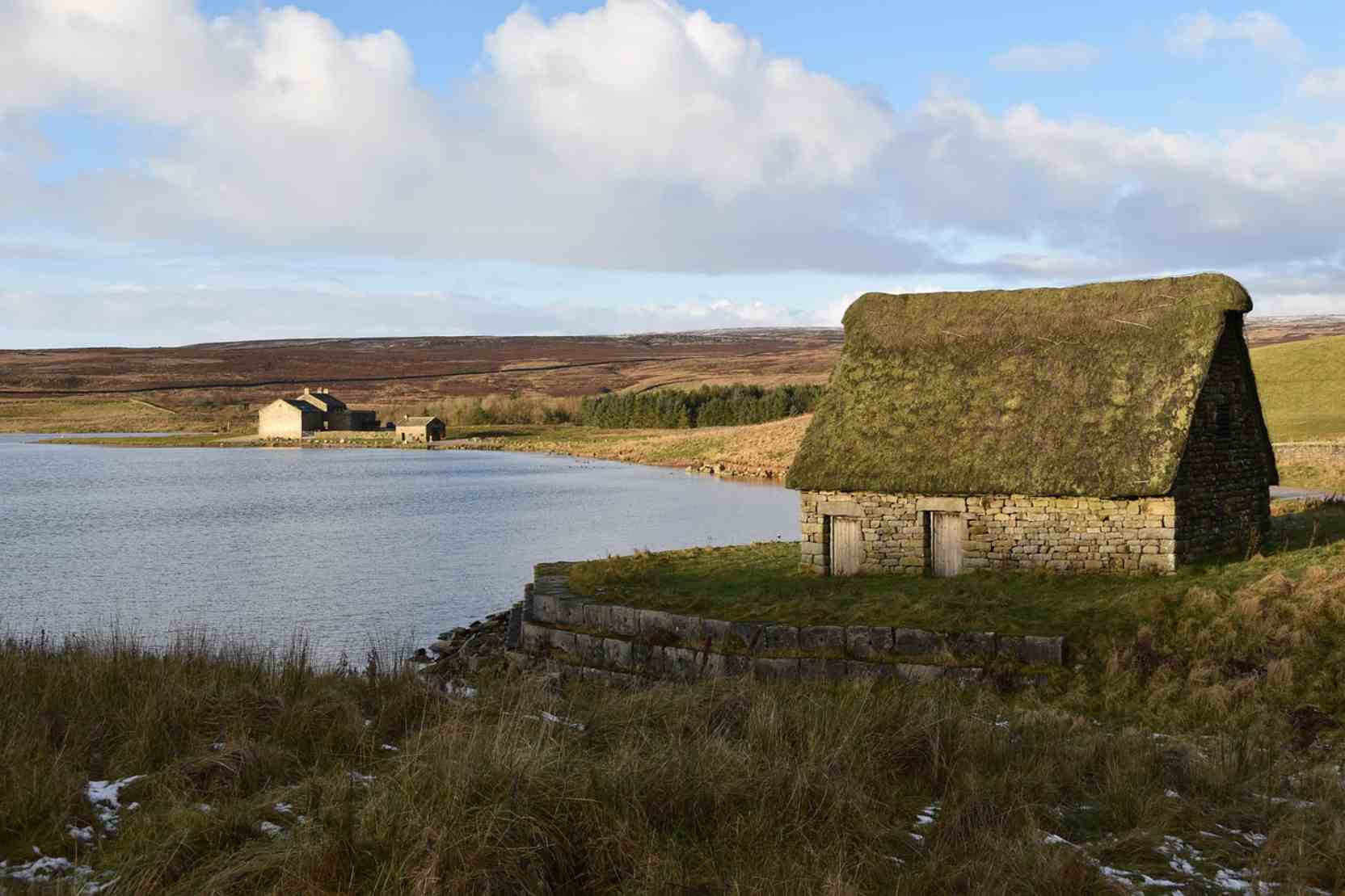
One of the most visible changes is around Ennerdale Water, where a new accessible lakeside path with upgraded surfacing and bridges opens up one of the route’s most scenic sections to a broader range of visitors.
Further east, in the remote North Pennines, a 3.1-mile flagstone path now helps walkers cross notoriously difficult terrain at Nine Standards Rigg and White Mossy Hill – stretches long known for their exposure and navigational challenges.
A route shaped by landscape and climate
The transformation has also been shaped by a less visible factor – climate change. Officials highlighted the North York Moors as an area where environmental pressures have intensified, including recent wildfires that have damaged fragile moorland ecosystems.
By reinforcing paths and improving drainage and surfacing, planners aim to make the trail more resilient while protecting surrounding habitats. The project also aligns with broader goals around nature recovery across northern England’s protected landscapes.
The designation as a national trail ensures ongoing funding for maintenance – a critical shift for a route that has historically relied on patchwork stewardship.
A boost for rural tourism
Beyond its environmental significance, the Coast to Coast trail is expected to deliver a measurable economic impact. Around 6,000 people completed the full route in 2025, and officials anticipate that number will grow as awareness increases.
For small towns and villages along the route, the designation could translate into sustained visitor flows – supporting accommodation providers, pubs, and local businesses across Cumbria, the Dales, and North Yorkshire.
Celebrations marking the launch are already underway, with events planned at Ennerdale Water and in Reeth. A new stone marker will also be installed at Keld, symbolically marking the halfway point between the two coasts.
For decades, the Coast to Coast walk has existed as a kind of unofficial pilgrimage – mapped by hand, followed by instinct, and shaped by those who walked it. Its new status does not change the landscapes it crosses, but it does ensure that one of England’s most storied journeys is preserved, protected, and opened to a wider generation.
Photo by Dave Noonan