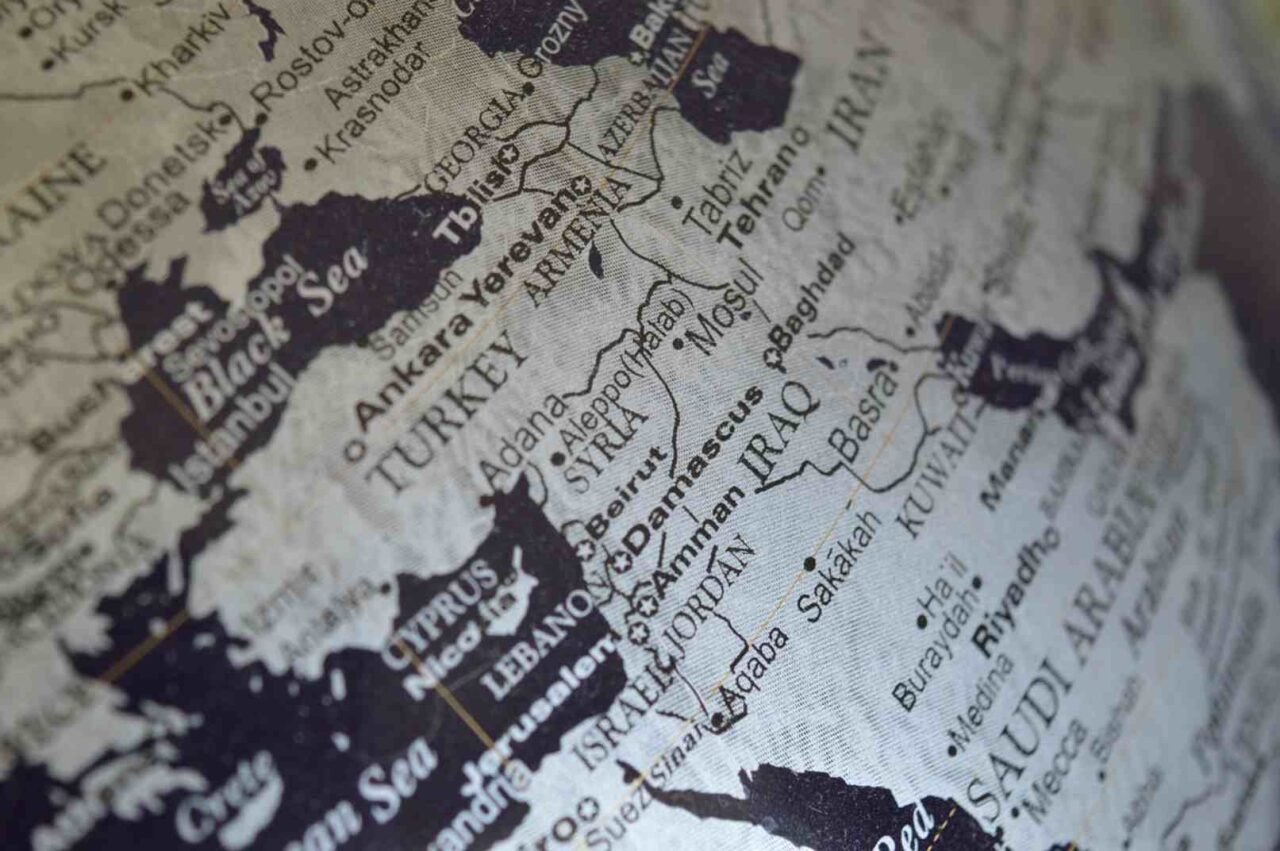

Explosions lit up the skies over Beirut before dawn.
Within hours, Lebanon found itself pulled into the widening Middle East war after Hezbollah launched rockets and drones into northern Israel – and Israel responded with force.
What had been a tense regional standoff rapidly turned into one of the most dangerous escalations Lebanon has faced in years.
Hezbollah Fires Across the Border
In the early hours of March 2, Hezbollah launched multiple projectiles from southern Lebanon toward Israeli territory. The group framed the operation as retaliation tied to the broader confrontation involving Iran and Israel.
It marked a dramatic escalation and ended months of relative containment along the border.
Israeli Airstrikes Hit Beirut and Southern Lebanon
Israel’s response was swift.
Fighter jets struck Hezbollah-linked positions in southern Lebanon and in Beirut’s southern suburbs, an area long associated with the group’s infrastructure. The Israeli military described the campaign as an ongoing offensive operation.
Residents reported powerful blasts, shattered windows, and plumes of smoke rising above densely populated neighborhoods.
Dozens Killed as Evacuation Warnings Spread
Lebanese health authorities reported at least 31 fatalities and dozens of injuries as strikes hit multiple locations.
Israel issued evacuation warnings for towns and villages in southern and eastern Lebanon, urging civilians to leave before further strikes.
Highways quickly filled with families fleeing north.
Hospitals in affected regions are now operating under mounting pressure as casualties increase.
Lebanon’s Government Faces a Dangerous Moment
Lebanon’s political leadership warned against deeper entanglement in a regional war.
Officials signaled concern that actions taken from Lebanese territory could expose the entire country to sustained military retaliation.
The country, already struggling with economic collapse and political instability, now faces the threat of prolonged conflict on its southern border.
A Regional Conflict Expands
The clash between Hezbollah and Israel is unfolding within a broader Middle East confrontation that has already seen direct exchanges involving Iran and other regional actors.
With multiple fronts active, analysts warn that further escalation could transform localized fighting into a sustained regional war.
Diplomatic channels remain active, but military operations continue.
For civilians in Lebanon, the immediate reality is simpler – airstrikes, uncertainty, and the fear that this time, the conflict may not be brief.