Arctic air sweeping across Britain has plunged parts of the country into one of the coldest spells of the winter so far, with temperatures in Norfolk dropping to minus 12 degrees during the night from January 5 to 6. Authorities have warned that the deep freeze could cause widespread transportation disruptions on 6 January, as orange and yellow weather warnings remain in effect across several regions.
The impact was immediately felt in education, particularly in Wales, where more than 300 schools were closed on the morning of 6 January. In Northern Ireland, over 170 schools did not open, while many others delayed the start of the school day due to hazardous travel conditions. Speaking to BBC, one headteacher described the situation as the most severe weather he had encountered in his career.
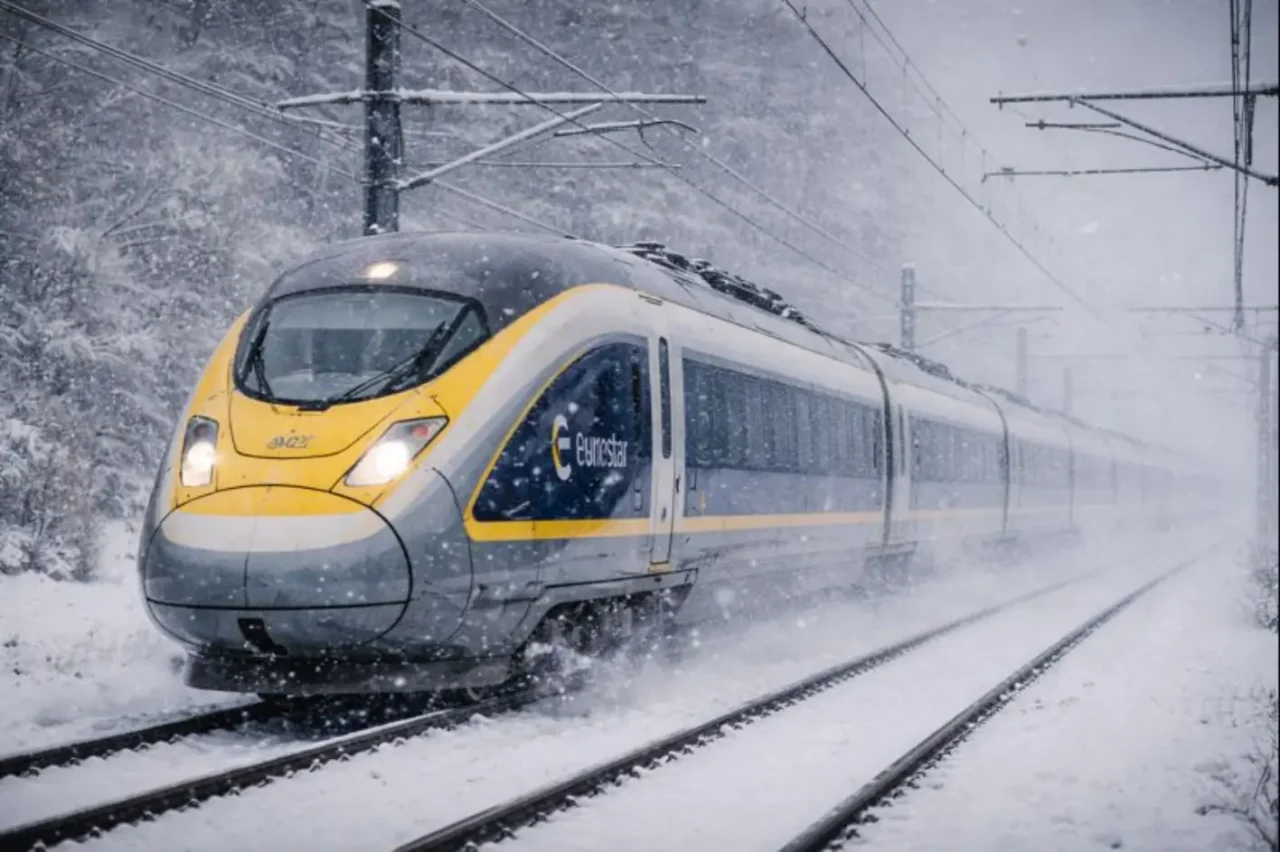
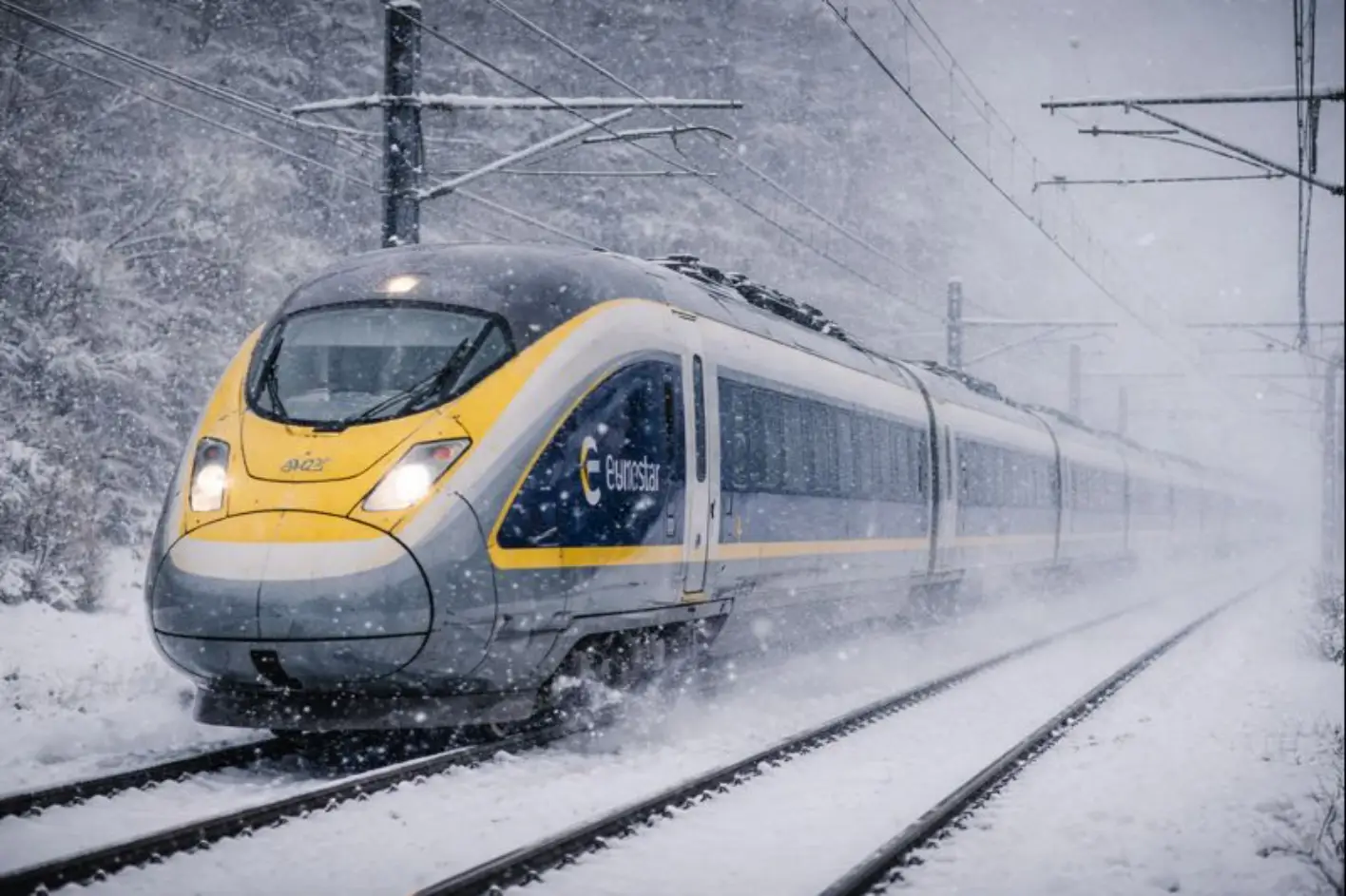
Transport networks were also under pressure. Rail services in several areas were disrupted on 5 January, with Eurostar confirming that trains were unable to operate to the Netherlands. In Scotland, rail operators warned that exceptionally deep snow was making it difficult to keep tracks clear, increasing the risk of further delays and cancellations.
Forecasters say the cold wave is far from over. According to the UK Met Office, snow is likely to spread later in the week, potentially covering areas that have so far remained snow-free on Thursday and Friday. While temperatures may rise slightly, strong winds and heavy rain are expected in the second half of the week, raising concerns about additional hazards, including flooding and further travel disruption.
The severe weather is not limited to the UK. The same cold system has swept into Western Europe, causing transport problems in France and the Netherlands, underlining the broader reach of the current winter outbreak as authorities across the region brace for continued disruption.