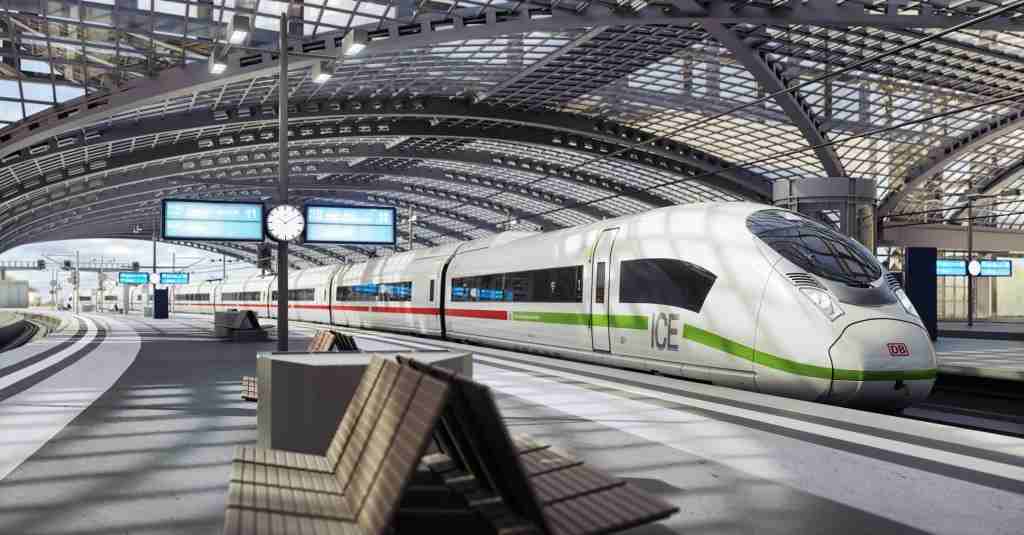
Deutsche Bahn (DB) and Eurostar have taken a significant step toward establishing a direct high-speed rail connection between Germany and London, following the signing of a Memorandum of Understanding in early December. The agreement sets out the intention of both companies to explore joint options for operating a long-distance service linking London with major German cities such as Cologne and Frankfurt.
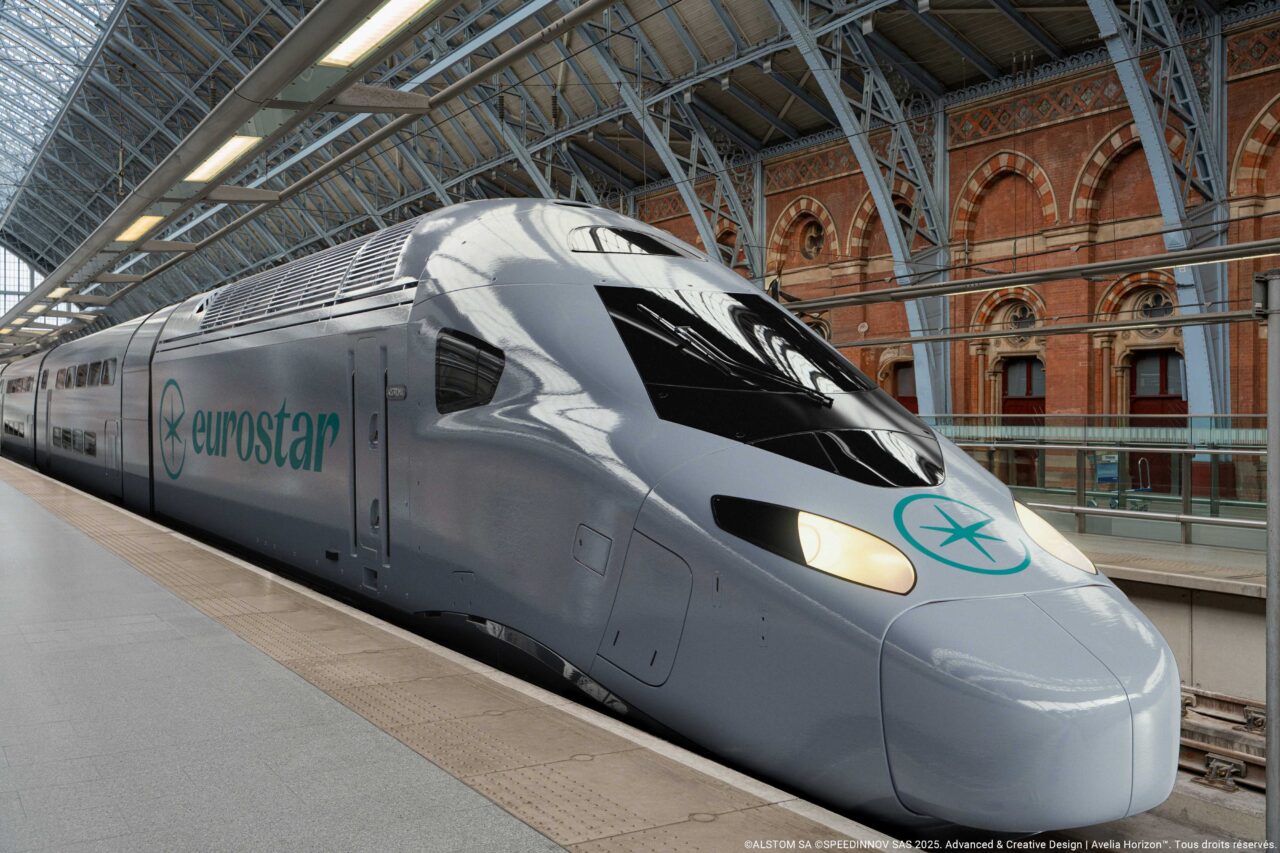
The potential route would utilise Eurostar’s forthcoming double-decker Celestia fleet, with a targeted launch in the early 2030s, subject to meeting technical, operational and legal requirements. Eurostar is expected to contribute its cross-Channel expertise, while DB will bring its extensive network and operational presence across Germany.
Michael Peterson, DB’s board member for long-distance passenger transport, described the initiative as a symbol of Europe’s growing rail integration. “Europe is coming together ever more closely by rail,” he said. “In cooperation with Eurostar, we also want to bring Germany and the UK closer together at high speed. We are convinced of the great potential of such a direct connection. However, this project also shows that new cross-border long-distance services are often only possible through partnerships like this, due to complex framework conditions.”
Eurostar CEO Gwendoline Cazenave said the collaboration marks a major step forward for sustainable travel. “It’s a big step towards making travel between London and Germany more sustainable and effortless. By combining Eurostar’s cross-channel know-how and new fleet with DB’s strong presence in Germany, we’re creating a whole new level of connectivity and convenience for our customers.”
German Transport Minister Patrick Schnieder welcomed the partnership, noting that a dedicated task force is already working on the legal, infrastructural and political requirements. He said the project represents a strong signal for the future of European rail transport and will benefit passengers across the continent.
UK Prime Minister Sir Keir Starmer called the initiative a milestone for Britain’s role within European transport networks. “This brings us one step closer to a new rail link that will put Britain at the heart of a better-connected Europe and paves the way for increased trade, tourism and investment,” he said, highlighting the government’s broader strategy to strengthen international relationships.
UK Transport Secretary Heidi Alexander added that the partnership “has the potential to transform cross-border rail travel in Europe for generations to come,” emphasising its role in job creation, trade connectivity and greener travel options.