Sunsets are among the most photographed natural phenomena in travel, with more than 340 million posts on social media using the hashtag #sunset. For years, travellers and photographers have debated the best place on Earth to experience this spectacle. A new study from AllClear Travel Insurance now attempts to settle the discussion with a data-driven global ranking.
Researchers analysed historical weather data for more than 100 famous sunset-viewing locations worldwide, assessing cloud cover, wind speed, precipitation, humidity and social media popularity. Each destination received a weighted score based on the influence of these factors, resulting in a final index graded on a 100-point scale.
Cappadocia in Turkey topped the list with an impressive 86.1 points. This UNESCO World Heritage site, known as the world capital of hot-air ballooning, offers more than 200 flyable days per year. Its surreal rock formations and fairy chimneys, set against a red and pink evening glow reflecting off volcanic stone, create one of the most iconic landscapes on the planet.
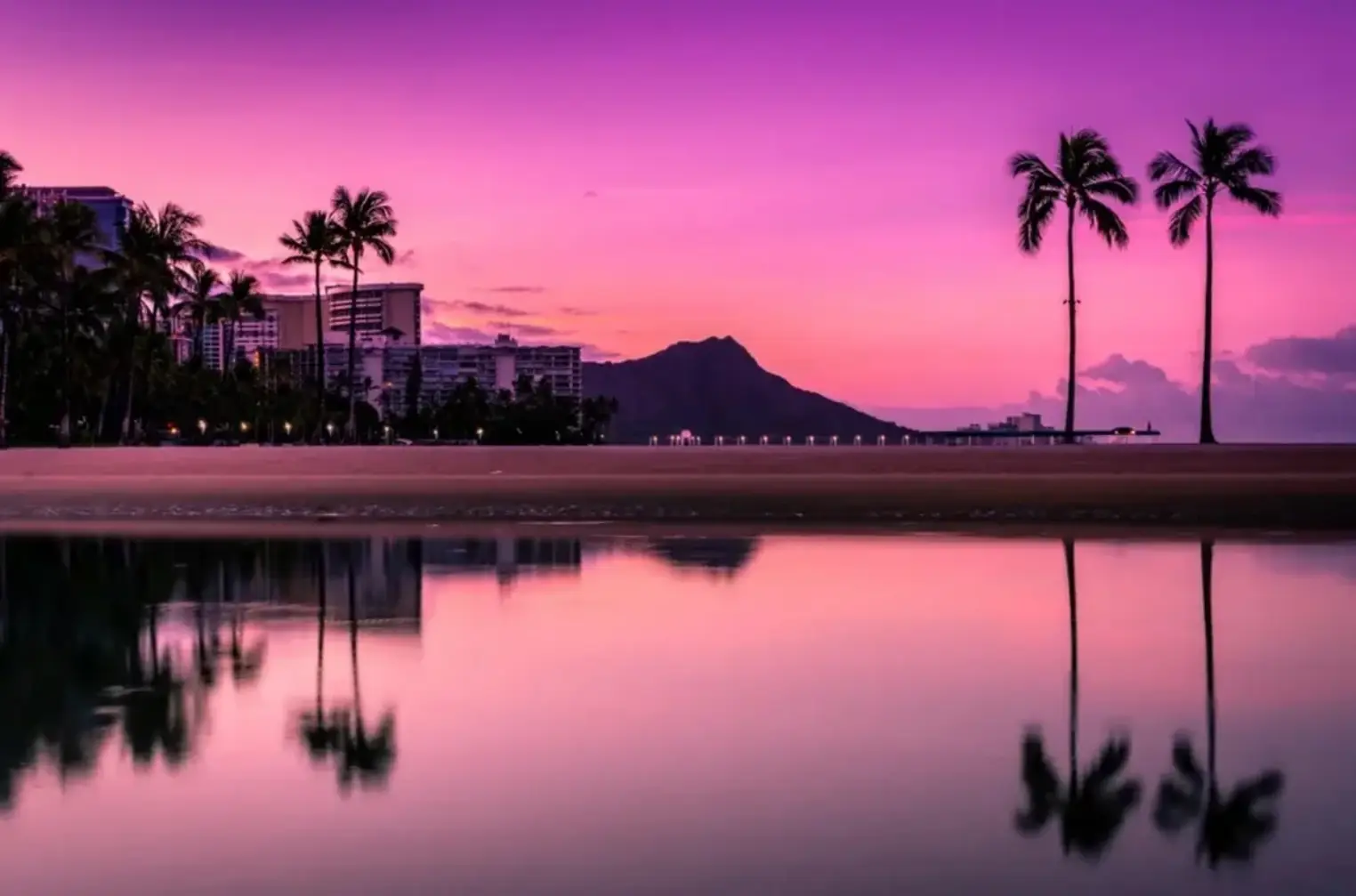
Second place went to Waikiki Beach in Hawaii at 79.8 points, a benchmark for tropical sunsets framed by the volcanic cone of Diamond Head — a view seen on wallpaper screens, travel posters and countless films. Third and fourth place, both scoring 79.6, were shared by Grand Canyon National Park in the United States and Uluru in Australia, where the setting sun brings dramatic colour changes to the massive sandstone monolith and canyon walls shaped over millions of years.
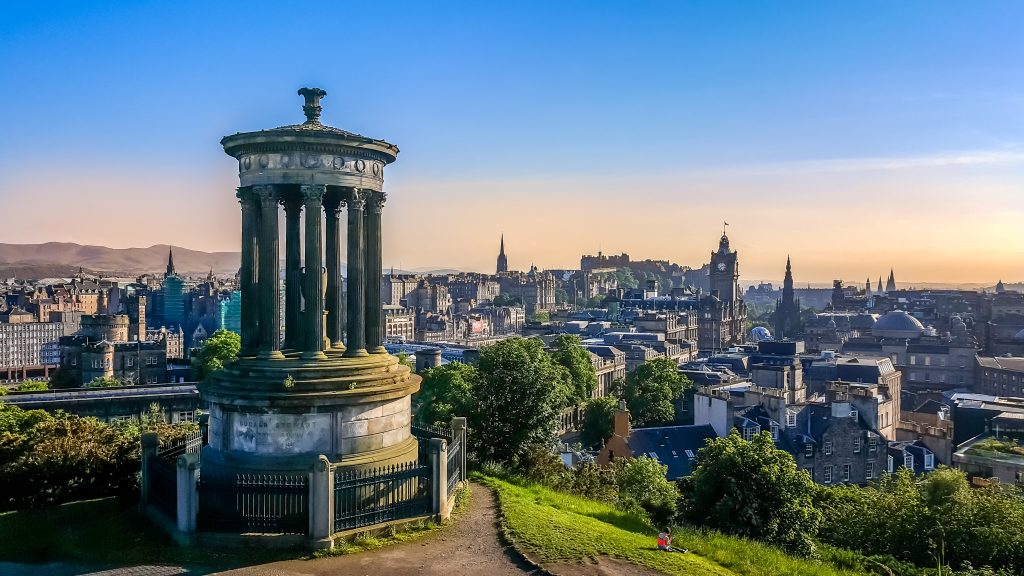
Rounding out the top five is Grand Teton National Park in Wyoming. The top ten also includes the Taj Mahal in India (74.8), Florence’s Piazzale Michelangelo (73.8), Ipanema Beach in Rio de Janeiro (72.0), the summit of Haleakalā volcano in Hawaii (71.2) and Arthur’s Seat in Edinburgh (69.4).
The study also explains the science behind spectacular sunsets. The phenomenon is caused by scattering, where molecules and particles in the atmosphere redirect sunlight. As the sun approaches the horizon, its light passes through a thicker layer of the atmosphere, filtering out shorter blue wavelengths and allowing longer red, orange and yellow wavelengths to reach the eye.
But no two sunsets are alike. Weather conditions — especially cloud cover, wind, precipitation and humidity — change constantly, making every sunset a unique product of the atmosphere. Experts say the optimal setting for a vivid sky includes cloud cover between 30 and 70 percent, light to moderate wind to disperse heavy clouds and pollutants, minimal rainfall, and humidity between 30 and 60 percent.
The final Top 25 list spans the globe, from Bali and Dubai to the Amalfi Coast, Santorini, Joshua Tree and the Sahara Desert. Each destination blends the right natural conditions with striking scenery, increasing the likelihood of witnessing a sunset worth remembering.
If you’d like, I can prepare a Google Discover version with an emotional hook, a shorter news brief, or a title tailored for SEO.