
Travelers, it seems, are increasingly drawn to destinations rooted in reality—a movement some are calling the “documentary effect,” according to a new study by Opodo. This growing appetite for authenticity and knowledge is quietly reshaping how people decide where to travel, particularly across Europe, influencing not only the cities they choose but also the hotels and restaurants they’ll visit.
The study reveals fascinating nuances—regional differences, generational gaps, and even the lingering power of fictional worlds—all painting a vivid picture of how modern wanderlust is evolving.
A Shift Toward Facts and Authenticity
The “documentary effect” is most pronounced in France and Germany, where 65% and 58% of travelers, respectively, cite documentaries as their main source of travel inspiration. These travelers are drawn to fact-based content that informs and enriches their journeys. Elsewhere in Europe, preferences are more mixed:
UK: Documentaries (48%) are closely followed by TV series (41%), showing a balance between factual and fictional influences.
Spain: Inspiration is evenly spread across documentaries (47%), feature films (43%), and series (34%).
Italy: Documentaries lead (57%), though feature films still play a notable role (42%).
Clearly, travelers in France and Germany are leading the charge toward meaningful, knowledge-based travel, driven by a genuine desire to learn rather than escape.
From Inspiration to Action
It’s one thing to be inspired—but who actually books the trip? The study found that German travelers are the most decisive, with 71% having booked a trip based on something they saw in the media, matching the enthusiasm of Spanish travelers. Others lag behind:
Portugal: 64%
Italy: 62%
France: 52%
UK: 43%
Germany’s high conversion rate underscores just how influential documentaries and other fact-based media can be in turning inspiration into real travel decisions. Hotels and tourism boards looking to attract these travelers might consider weaving educational, documentary-style storytelling into their campaigns to spotlight cultural and natural highlights.
Generational Differences in What Inspires Travel
The Opodo study also points to a clear generational divide in what sparks travel inspiration—insights that could shape hospitality marketing for years to come.
Gen X and Baby Boomers (45–64 years): For this group, documentaries dominate (69%), far outpacing younger generations. Their travel choices are grounded in reality and driven by a hunger to learn, reflecting a desire for experiences with depth and meaning.
Generation Z (18–24 years): Younger travelers, meanwhile, seek escapism. Films and videos (62%) and TV series (36%) are their main sources of inspiration, while documentaries appeal to just 29%.
Gen Z and Millennials (18–34 years): These groups also show a growing interest in niche media, with 14% citing podcasts as a key source of travel ideas—a nod to the power of digital storytelling.
This divide suggests that hotels and travel brands will need to tailor their messaging: educational and documentary-style campaigns for older audiences, and immersive, visually captivating content for younger ones.
The Lasting Power of Fictional Worlds
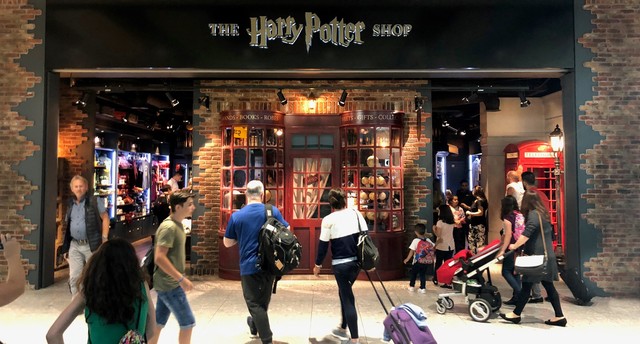
While documentaries are gaining ground, fictional media still wields influence—especially certain genres. Historical worlds like Game of Thrones and magical ones like Harry Potter continue to inspire around 36% of respondents. Others are drawn to underwater settings (27%), space (22%), and futuristic landscapes (15%).
Gender also plays a role: women are more likely to favor magical worlds (42%), while men are slightly more inclined toward historical themes (36%). These trends open creative doors for tourism marketing—think film location tours, fantasy-inspired hotel packages, or themed experiences tied to beloved shows and movies.
A New Direction for Travel Marketing
Ultimately, the “documentary effect” signals a rising appetite—particularly in France and Germany—for travel that feels real, educational, and authentic. For hotels, restaurants, and tourism boards, this is an opportunity to highlight what makes a place genuinely special: its history, its people, its traditions.
At the same time, younger travelers continue to crave escapism. That means destinations can capture their imagination through visual storytelling, cinematic experiences, and collaborations with digital creators. Even podcasts are emerging as a surprisingly powerful medium for niche travel inspiration.
The travel trend known as “set-jetting” — visiting real-life locations featured in movies and TV shows — continues to grow worldwide. Yet while fans chase cinematic magic, local residents and urban infrastructure are often left struggling to cope with the crowds.
Now, Dublin is the latest city at risk of becoming a victim of film tourism. The Irish capital, already facing pressure from overtourism and a housing shortage, has seen a 551% increase in travel interest since the release of Netflix’s hit series “House of Guinness.”
Whether rooted in fact or fantasy, one thing is clear: travelers today want more than just a getaway—they want a story worth telling.