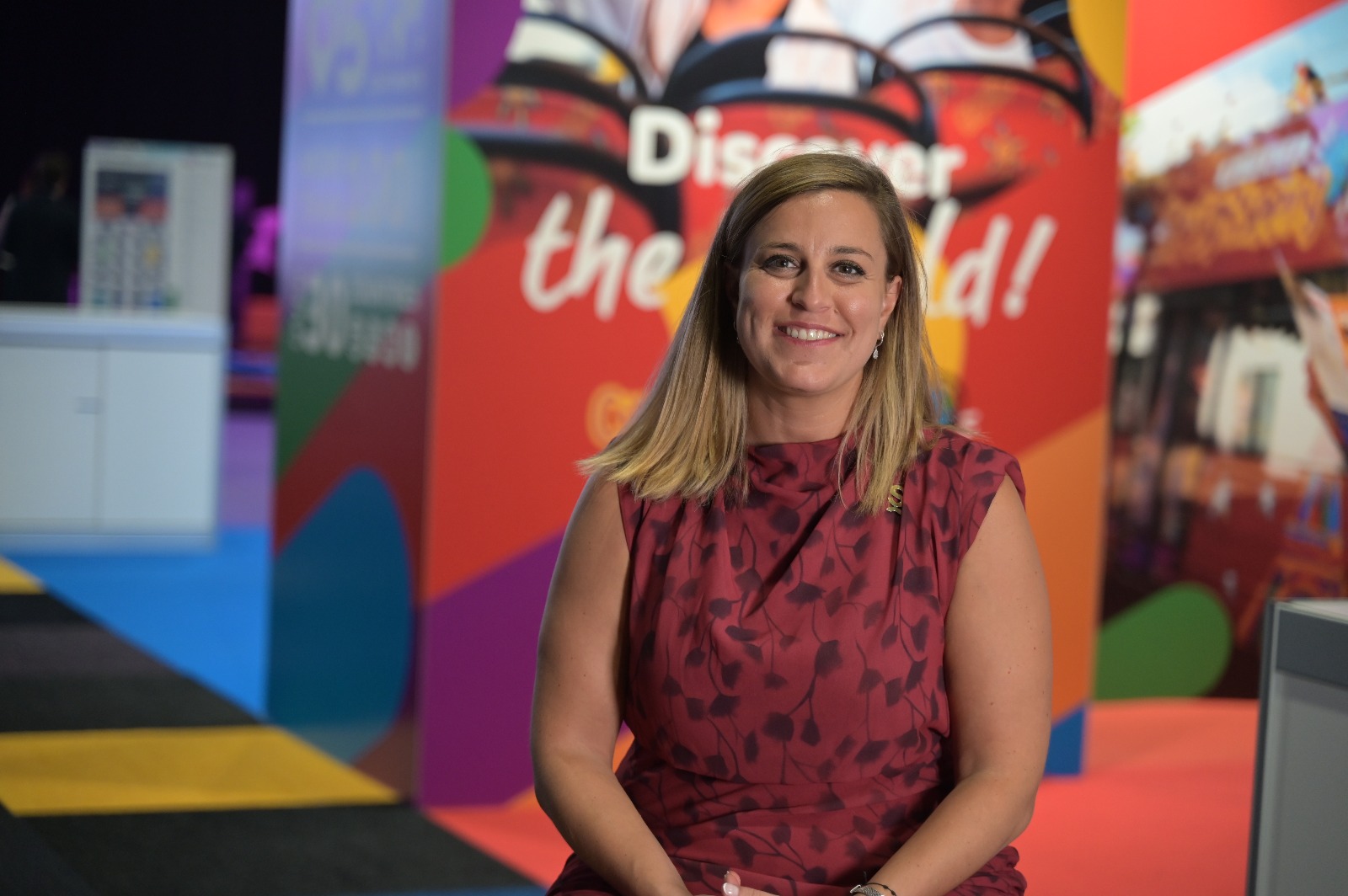
As the tourism industry continues to evolve amid rapid digitalization and growing sustainability demands, the Tourism Innovation Global Summit (TIS) 2025 is set to push the boundaries once again. In this interview for RusTourismNews.com, Silvia Avilés, Director of TIS, shares what’s new in this year’s edition, how technology and responsible innovation are reshaping travel, and why talent transformation will be central to the industry’s future.
What are the main new features we can expect at TIS 2025 compared to previous editions?
This year, the Tourism Innovation Global Summit will welcome over 400 speakers across five auditoriums and eight themed forums, such as Destinations, Activities & Attractions, Tourist Transport & Travel, Distribution Channels & OTA’s, Hospitality, MICE, Business Travel, and Leisure & Culture Travel.
The program will cover urgent issues like the ethical and responsible use of AI, the regeneration of tourism models, inclusive and accessible tourism, and how to adapt to new traveler expectations that are increasingly digital-first and sustainability-driven. We are also introducing fresh perspectives on talent and workforce transformation, a crucial area given the industry’s need to attract and retain skilled professionals in a fast-changing environment.
The event will feature prominent global players, such as Google, TikTok, IHG, Hyatt, lastminute.com, and WeRoad, among many others, bringing a diverse range of perspectives and innovations to the event.
In your LinkedIn post, you mentioned that TIS 2025 will explore AI’s full potential in tourism, covering ethics, cybersecurity, data optimization, and sustainability. Could you share some specific initiatives or sessions that attendees can look forward to during the event?
TIS 2025 will feature sessions dedicated to how AI can optimize the traveler experience, from predictive trend analysis to dynamic pricing. We will also explore how AI can improve destination management and manage visitor flow more effectively.
Notable speakers will share insights on how AI is being used to create personalized content, optimize pricing strategies, and enhance customer engagement, with examples from companies like Microsoft, Google, and TikTok.
CEOs from Lastminute.com, Exoticca, and WeRoad will share how AI helps them anticipate trends, personalize offers, and optimize operations in real time. In addition, Dan Christian, Host and Founder of Travel Trends Podcast, will show how travel companies use AI to boost their results through dynamic pricing, predictive personalization, content creation, and improved customer service.
Sustainability is one of the central themes at TIS 2025. What concrete actions are being taken to promote sustainable tourism practices, and how will these be integrated into the event’s activities?
TIS 2025 will highlight practical solutions to improve tourism sustainability, such as energy-efficient systems, waste reduction, and the promotion of responsible travel. More than 400 international leaders from renowned companies and leading experts such as Accor, Pierre & Vacances, Barceló Hotel Group, Fairmoove, Intrepid, Ljubljana Tourism, Corsica, Vienna, and Lapland, among many others, will share their real-world success stories and practical insights on how to balance growth with responsibility.
These sessions will translate sustainability commitments from carbon reduction and waste management to supply chain, staff engagement, guest behavior, and social and economic impact through local sourcing in destinations.
Moreover, there will be discussions on how AI can help support these sustainable practices, such as reducing environmental impact in the hospitality sector. We will also showcase how companies are adopting genuine sustainability strategies without falling into greenwashing.
AI and automation are transforming the traveler experience. How do you see these technologies evolving in the tourism sector over the next few years?
In the coming years, these technologies will continue to shape the tourism industry. AI will become increasingly integrated into the travel experience, from providing real-time personalized recommendations to dynamic pricing models.
Automation will improve operational efficiency, allowing businesses to focus more on enhancing guest experiences. It’s essential that these technologies complement human interactions, maintaining the warmth and empathy that are crucial in hospitality.
With increasing digitalization, what challenges and opportunities do tourism professionals face in terms of technology adoption and skills development?
The main challenge lies in overcoming resistance to change and ensuring tourism professionals develop the digital skills necessary to integrate new technologies effectively. There’s also a great opportunity to upskill the workforce and encourage innovation.
TIS 2025 will offer workshops and sessions focused on AI, data analytics, and digital marketing strategies, ensuring professionals leave with the tools needed to succeed in the rapidly evolving digital landscape.
How can small and medium-sized tourism businesses leverage emerging technologies to enhance both their competitiveness and sustainability?
Any business, regardless of size, should embrace emerging technologies if they want to maintain their competitiveness. For that reason, at TIS 2025, we will give small and medium-sized businesses the tools and strategies to implement these new technologies, like AI-driven marketing platforms and data analytics tools, helping them create personalized experiences and optimize their operations.
By using these tools, businesses can better understand traveler preferences, offer tailored experiences, and enhance customer loyalty. These technologies can also reduce operational costs and minimize environmental impact, supporting both sustainability and competitiveness.
Finally, what key message would you like to share with attendees about the future of tourism and the role of innovation in shaping it?
The future of tourism will be defined by innovation that enhances personalization, sustainability, and operational efficiency. At TIS 2025, we will explore how AI and automation are already transforming the industry, and how the sector can harness these technologies to meet the needs of the new digital-savvy traveler.
I encourage all attendees to embrace this wave of innovation as an opportunity to create more sustainable, efficient, and customer-centered tourism experiences.
As TIS 2025 prepares to gather global tourism leaders in Seville, Silvia Avilés underscores the importance of collaboration and purposeful innovation. The event will not only showcase cutting-edge technologies and sustainable strategies but also serve as a meeting point for those shaping the next chapter of the travel industry. With its focus on AI, ethical growth, and talent transformation, TIS 2025 aims to inspire a smarter, more resilient, and more human-centered future for tourism.