Vietnam’s national carrier Vietnam Airlines has confirmed a data security incident that exposed personal details of some of its customers. According to the airline, the breach occurred through a partner-operated online service managed by a “global technology corporation,” and affected information such as passengers’ full names, email addresses, and phone numbers.
Vietnam Airlines said it was one of several businesses using the compromised system. The company is now working with authorities, cybersecurity experts, and technology partners to investigate the incident, assess its impact, and strengthen its data protection protocols.
To safeguard personal information, the airline has urged customers to change passwords for their frequent flyer accounts and any associated email addresses, and to be cautious of suspicious emails or calls claiming to be from Vietnam Airlines.
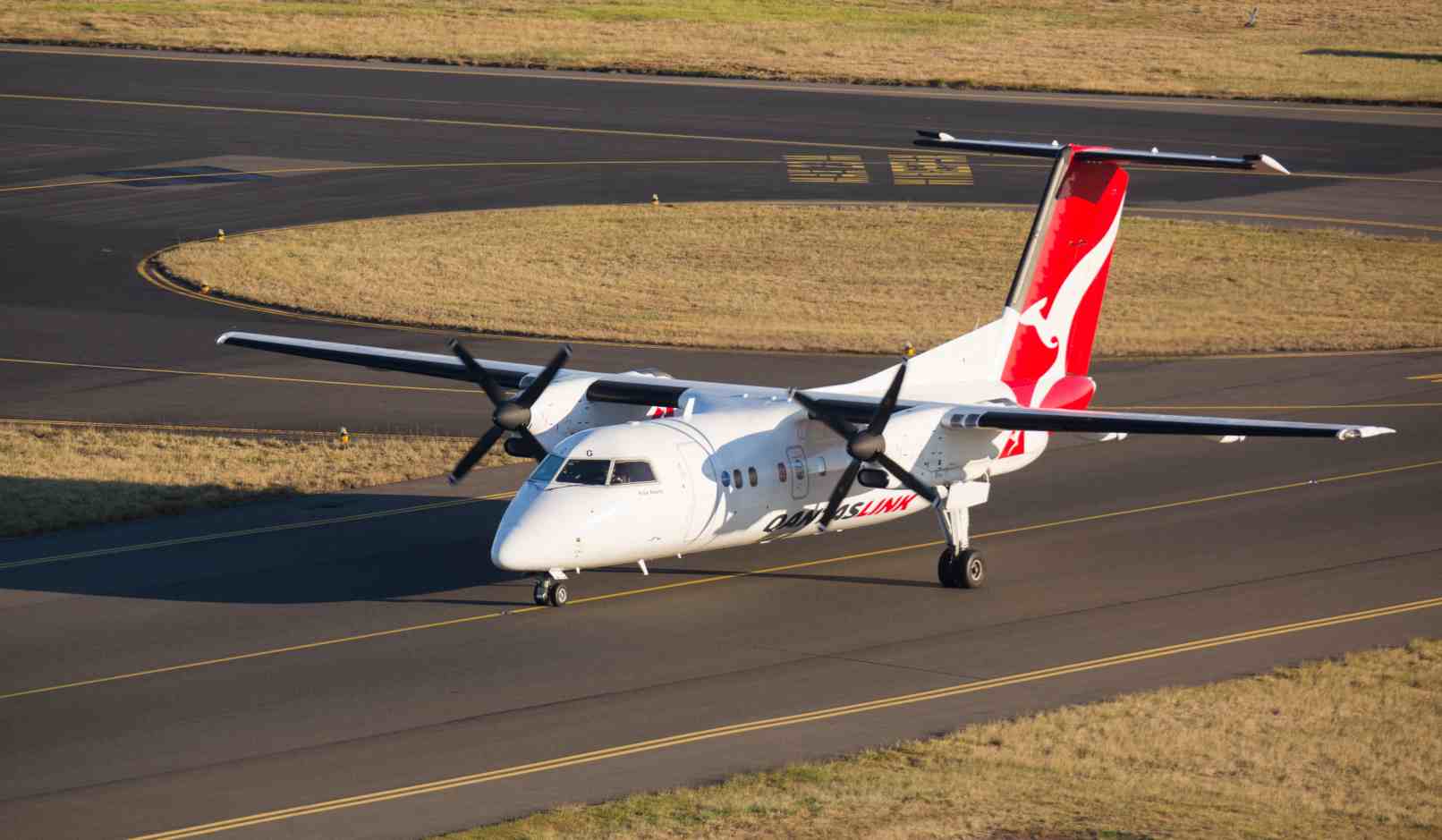
The breach comes as part of a wider pattern of cybersecurity incidents targeting global aviation. In a separate case, personal data belonging to customers of Qantas Airways, Australia’s largest carrier, was leaked on the dark web earlier this year after hackers failed to extort a ransom from the company.
According to reports cited by ABC News Australia and The Guardian, the stolen Qantas data included names, dates of birth, email addresses, and frequent flyer card numbers. The leak also exposed personal details of several Australian public figures, though the airline confirmed that credit card and passport information remained secure.
The Qantas breach was first detected on June 30, 2025, when cybercriminals accessed a call center database used for customer support. While no passwords or PIN codes were stolen, the airline acknowledged that “a significant portion of personal data was compromised.”
Both incidents highlight the growing vulnerability of the aviation sector to cyberattacks, as airlines increasingly rely on third-party digital infrastructure and cloud-based systems. Experts warn that without stronger cybersecurity investment and cross-industry cooperation, such breaches could become more frequent — and more damaging — in the years ahead.