From October 1, 2025, Emirates will introduce strict new rules limiting the carriage and use of portable power banks on its flights, citing safety concerns over the rising number of onboard incidents linked to lithium batteries.
Under the updated policy, passengers will no longer be allowed to use power banks to charge their devices such as mobile phones or laptops during flights. Charging power banks themselves via in-seat USB ports will also be prohibited.
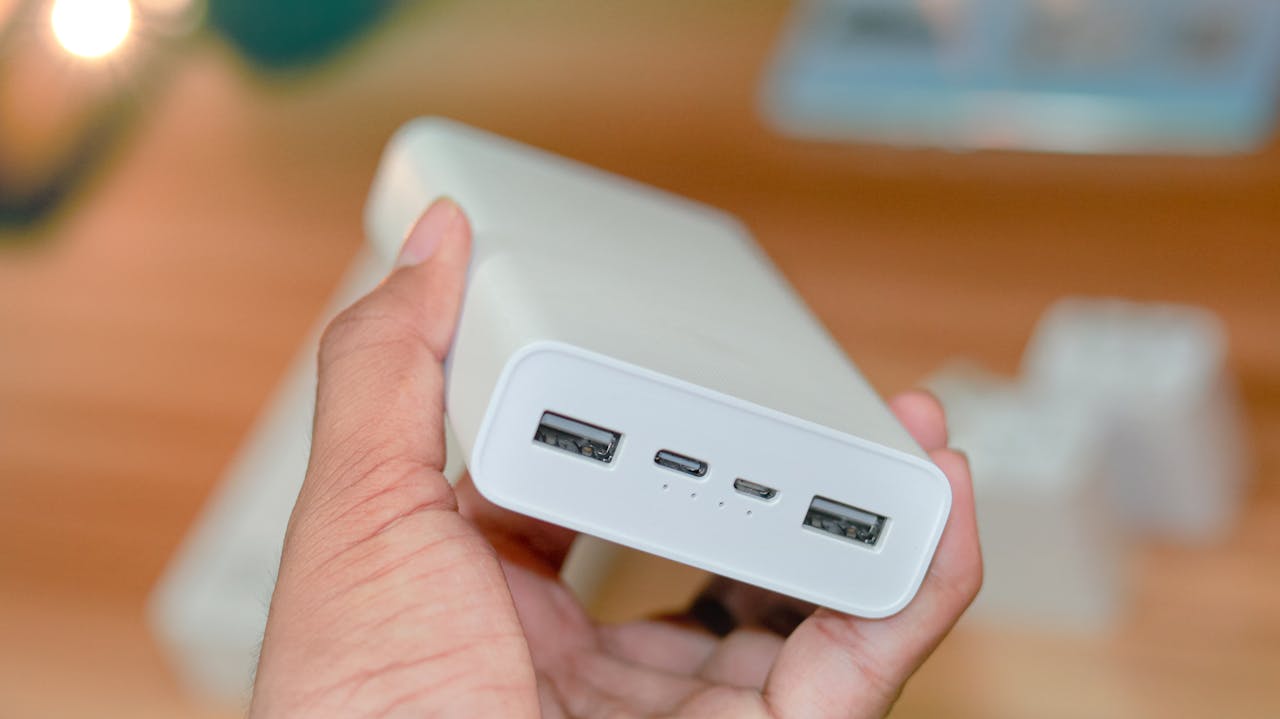
Travelers may still bring one power bank under 100 Wh capacity into the cabin, but it must be stored either in a seat pocket or under the seat in front—not inside carry-on luggage.
Emirates explained that the move is in response to a “growing number of lithium battery incidents across the aviation industry.”
A Rising Safety Concern
Lithium battery fires have become an increasing issue worldwide. In January, an Air Busan aircraft caught fire before takeoff, with investigators linking the cause to a power bank. Other incidents have been reported on flights operated by Delta Air Lines, Hawaiian Airlines, JetBlue, Virgin Australia, and even Russia’s Yakutia Airlines, where a power bank ignited mid-flight in June.
Turkish carriers Pegasus Airlines and AJet also adopted similar restrictions in August 2025 following an incident on an Asiana Airlines Istanbul–Seoul flight, when a dropped power bank became lodged between seats, forcing the aircraft to return to Istanbul.
Global Restrictions Growing
Airlines across Asia have been leading the way in tightening rules:
South Korea: All carriers, including Korean Air and Asiana, now prohibit the use of power banks.
Hong Kong: Cathay Pacific, Hong Kong Airlines, and HK Express enforce restrictions.
Taiwan: EVA Air, China Airlines, and Starlux Airlines apply bans.
Singapore & Thailand: National and low-cost carriers, including Singapore Airlines, Scoot, Thai Airways, and AirAsia, restrict use.
China: Only power banks with CCC certification are allowed on domestic flights.
Japan: Since July, passengers must store batteries where crew can monitor them—not in overhead bins.
Turkish Airlines has also prohibited the transport of “smart luggage” with non-removable lithium batteries, requiring travelers to detach and isolate the batteries before check-in.
Why Power Banks Are Considered Risky
Lithium-ion batteries can undergo thermal runaway—a chain reaction caused by overcharging, physical damage, or manufacturing defects. This leads to overheating, toxic gas release, fire, or even explosion.
According to the U.S. Federal Aviation Administration (FAA), lithium battery-related incidents on American flights have risen 42% since 2015, with power banks accounting for 43% of all onboard fires. E-cigarettes (20%) and laptops/phones (12%) follow as other high-risk devices.
What Comes Next
While Emirates is among the first major Gulf carriers to ban in-flight use of power banks, American and European airlines have so far been slower to act. The only U.S. airline to implement additional precautions is Southwest Airlines, which, since May 202,5 requires passengers to keep power banks visible and switched off during flights.
Neither the International Civil Aviation Organization (ICAO) nor the International Air Transport Association (IATA) has updated its recommendations yet, but with incidents rising globally, more airlines may follow Emirates’ lead in the coming months.