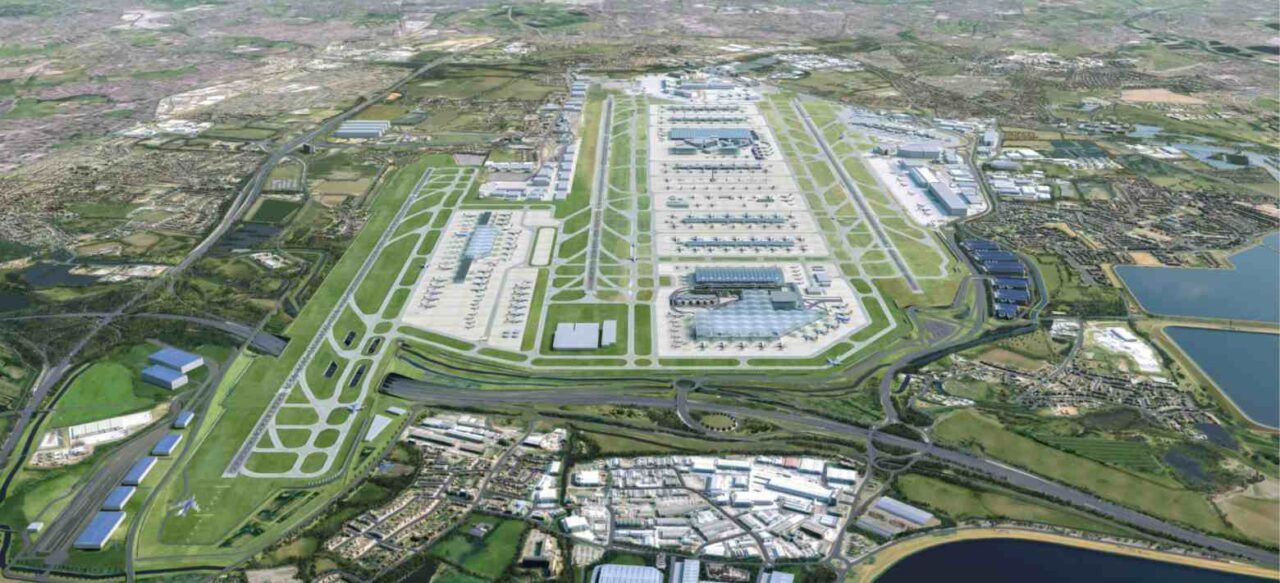
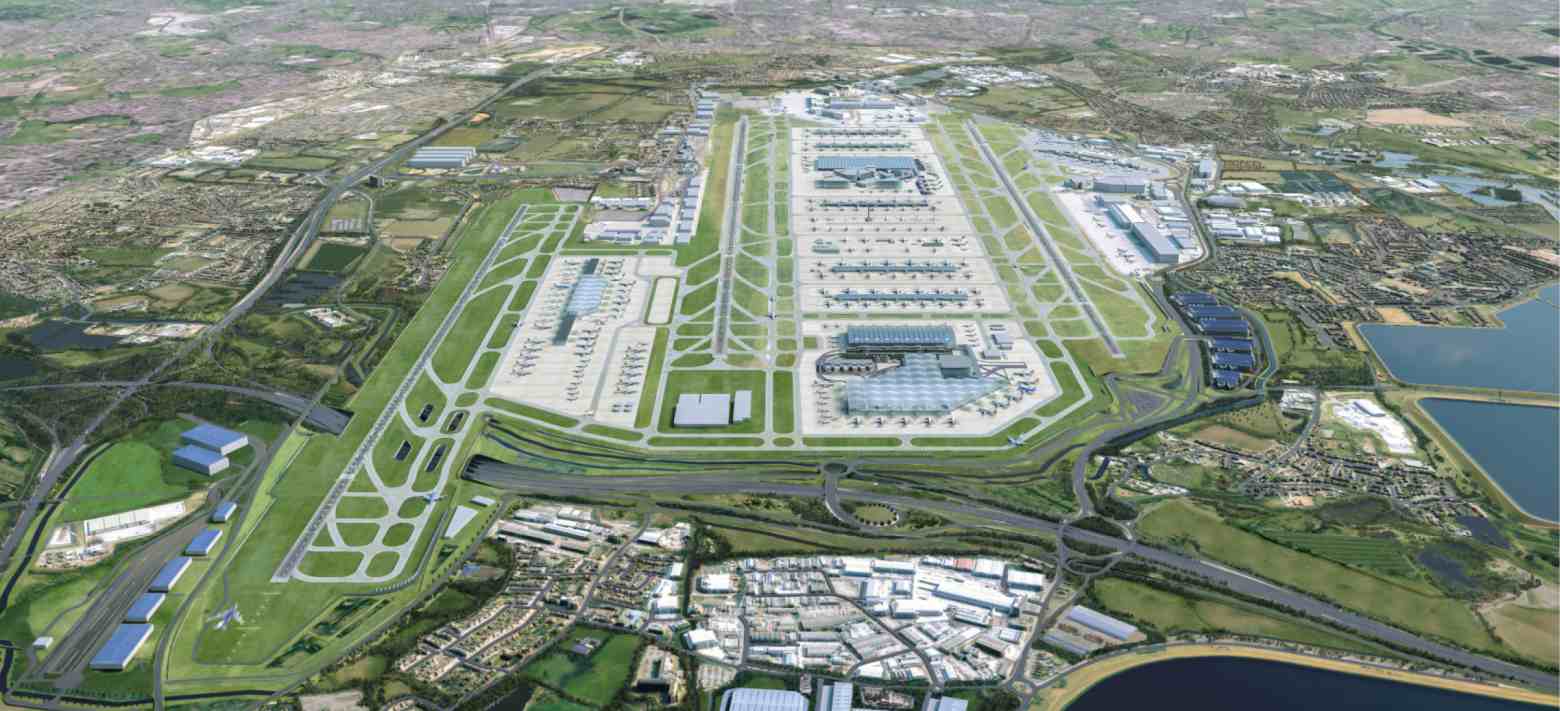
London Heathrow has officially submitted its shovel-ready proposal to the UK Government for a third runway and expanded terminal capacity, backed by £48 billion in private funding. If approved, flights from the new runway could be taking off within a decade.
The proposal marks a pivotal moment for UK aviation and trade, positioning Heathrow to remain a global hub amid rising competition from European airports. The plans promise at least 30 new daily routes, improved domestic connections, and expanded access to long-haul destinations — all contributing to what Heathrow calls “a once-in-a-generation redesign of the UK’s most vital transport gateway.”
A Vision for the Future of UK Aviation
The blueprint includes:
A 3,500m north-western runway, previously approved by Parliament
A new terminal, T5X, alongside the expansion of Terminal 2
The closure of Terminal 3 to make way for three modern satellite terminals
Infrastructure to support up to 150 million passengers and 756,000 flights annually
The plan estimates a 0.43% increase in UK GDP once the runway is operational, reinforcing Heathrow’s position as the UK’s most valuable port by trade volume, already enabling over £200 billion in annual commerce.
“It has never been more important or urgent to expand Heathrow,” said Heathrow CEO Thomas Woldbye. “We are effectively operating at capacity. With Government support and a fit-for-purpose regulatory model, we can begin investing this year.”
Environmentally Responsible, Economically Transformative
Despite its size and scale, Heathrow’s expansion is being framed as net-zero compatible. The airport reaffirms its commitment to reach net zero by 2050, with emissions already down 10% in-flight and 15% on the ground since 2019. The proposal prioritizes:
Sustainable Aviation Fuel (SAF) leadership
A redesigned airfield to improve air traffic efficiency
Continued progress on noise reduction (already down 41% since 2006)
Full compliance with air quality standards
Infrastructure improvements include enhanced public transport access, new walking and cycling routes, and two new parkways to improve access while reducing local impacts. Heathrow is also proposing a community fund and will consult with locals starting in 2026, with a planning application expected in 2028.
A Nationally Shared Investment
Crucially, the £48 billion project will be 100% privately financed, requiring no taxpayer funds. The spend will be split as follows:
£21bn for the runway and airfield
£12bn for new terminal capacity
£15bn for modernisation of existing terminals
Heathrow says 60% of the supply chain investment will be outside London and the South-East, creating tens of thousands of jobs in construction, operations, and logistics across the UK.
Support for the expansion is strong across business and regional leaders. The Confederation of British Industry, British Chambers of Commerce, and MakeUK are among many groups voicing support for the third runway.
“This is an investment in the nation’s future,” reads a joint statement from the UK’s leading business groups. “It enhances access to global markets, strengthens supply chains, and creates skilled jobs across the country.”
Regional Voices Join the Chorus
Regional airports and organisations have also endorsed the plan, highlighting improved national connectivity:
Cornwall Airport Newquay welcomes potential for increased hub access
Scottish Chambers of Commerce view the expansion as “critical infrastructure”
UK Steel praised Heathrow’s commitment to use UK-made steel, calling it “a strong vote of confidence in Britain’s industrial base”
Low-cost airline easyJet also sees a major opportunity:
“Expansion at Heathrow will allow us to bring lower fares and greater competition to the airport for the first time,” said CEO Kenton Jarvis.
What’s Next?
With plans submitted today, Government feedback is expected by September. If granted the green light and regulatory framework, Heathrow could begin the early stages of investment later this year.
As the UK eyes a post-pandemic era of economic revitalisation and global relevance, Heathrow’s third runway may well be the launchpad for a new chapter in national growth.