

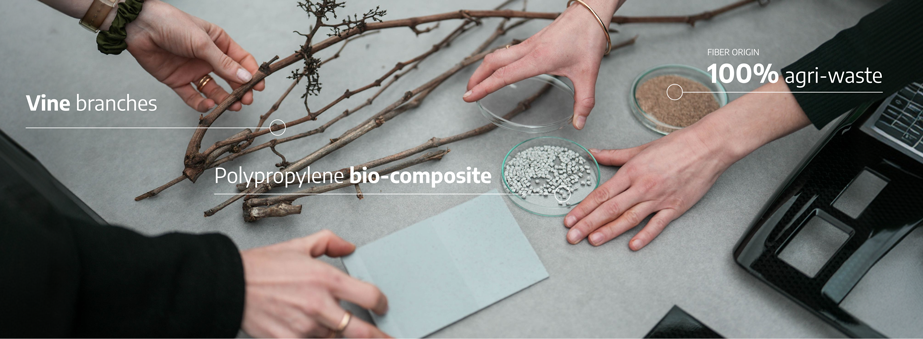
Stellantis is giving discarded vineyard pruning waste a second life by transforming vine branches from France’s Burgundy wine region into bio-sourced interior materials for the Citroën C5 Aircross.
The initiative supports Stellantis’ voluntary target of incorporating 35% green materials into its new vehicles by 2030, reinforcing the company’s commitment to circularity, resource efficiency and the wider adoption of sustainable materials across its product portfolio.
Instead of being burned after vineyard pruning, natural fibers extracted from vine branches are processed into a bio-sourced composite material used in visible interior components of the Citroën C5 Aircross. The result is an organic, textured finish that allows drivers and passengers to see and feel the material’s natural origins.
From Agricultural Waste to Automotive Innovation
The project began in 2017 when Citroën’s design team explored whether natural, renewable materials could become part of the automotive experience. Stellantis Research & Development teams collaborated with a startup specializing in vineyard fibers to develop a composite capable of meeting the automotive industry’s demanding standards for durability, safety and production consistency.
Creating the material required close cooperation between designers, engineers, researchers, purchasing specialists, product managers and external partners. Together they built a local supply ecosystem linking vineyards, suppliers and automotive manufacturing while simplifying logistics and strengthening industrial collaboration.
A Design That Embraces Natural Character
Unlike traditional interior materials designed for complete uniformity, the vine fiber composite celebrates subtle natural variations. During the mechanical grinding process, vine branches are reduced to micronized natural fibers that create unique textures and grain patterns. As a result, every component is slightly different, making the material’s natural origin visible rather than concealing it.
For Citroën’s Colors & Materials design team, the goal was not simply to replace conventional materials but to make sustainability a visible and meaningful part of the passenger experience. The organic appearance introduces a new design language where authenticity and individuality become defining features of the interior.
Supporting a Circular Economy
Beyond its visual appeal, the project reflects Stellantis’ broader strategy of developing more circular approaches to vehicle design. By repurposing agricultural byproducts that would otherwise be discarded, the company is exploring new ways to reduce waste while incorporating renewable resources into vehicle production.
The initiative also demonstrates Stellantis’ culture of intrapreneurship, encouraging cross-functional collaboration and experimentation to develop unconventional solutions that connect agriculture, sustainability and mobility.
According to Stellantis, the vine fiber material represents more than an innovative interior finish. It serves as a tangible example of how sustainable materials can become part of a vehicle’s identity while helping advance the company’s long-term environmental ambitions.
