Every year on March 17, cities across the globe turn green. Streets fill with parades, music spills from pubs, and millions raise a pint of Guinness in celebration of St Patrick’s Day. What began as a religious feast day in Ireland has evolved into a global cultural phenomenon – and at the center of it all sits a dark, creamy stout that has become inseparable from the occasion.
From a saint to a global celebration
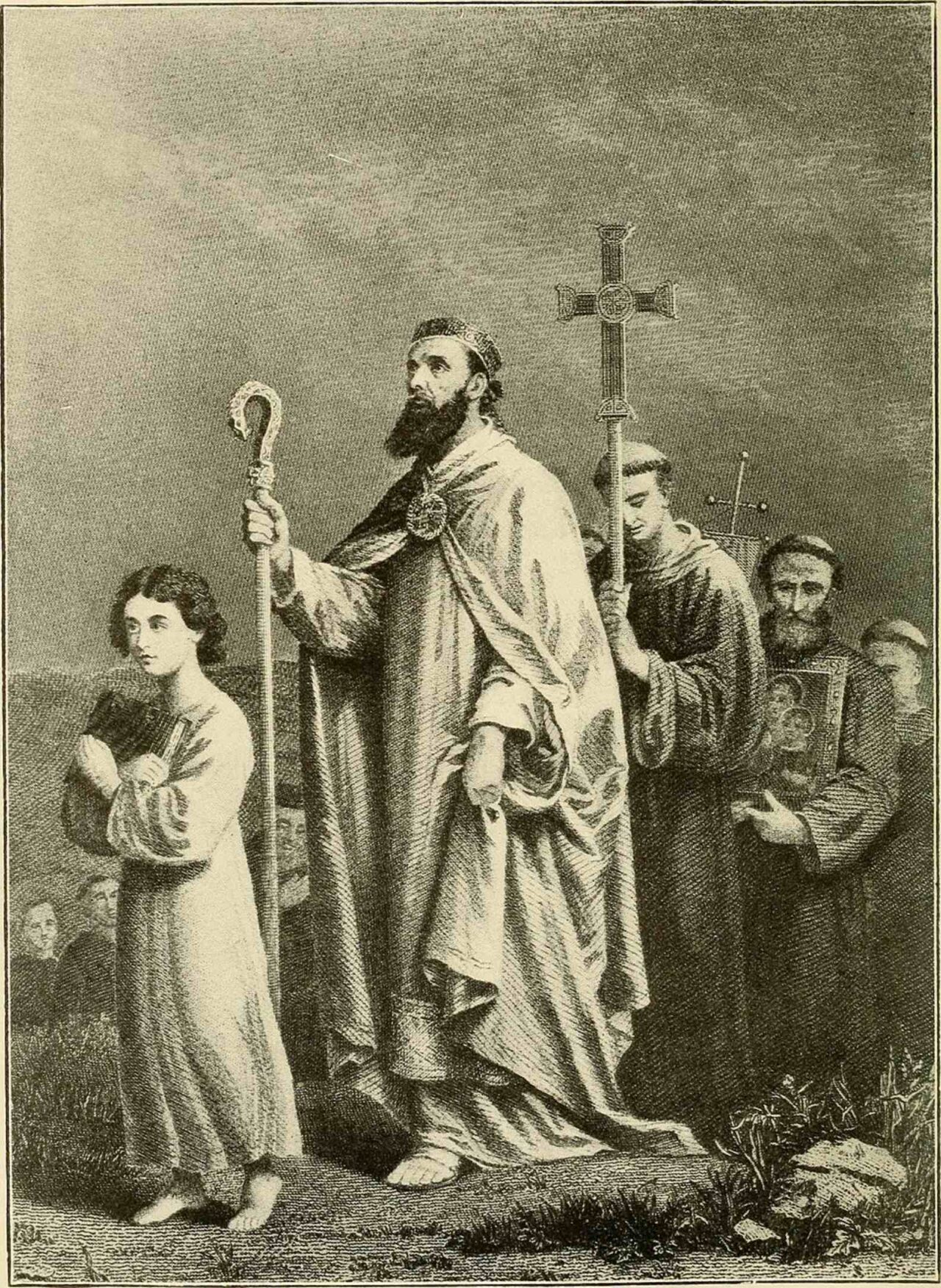
Saint Patrick, the patron saint of Ireland, is credited with bringing Christianity to the island in the 5th century. For centuries, March 17 was observed quietly, marked by church services and modest gatherings.
That changed dramatically in the 18th and 19th centuries, particularly among Irish emigrants in the United States. Parades grew larger, celebrations louder, and Irish identity more visible. Today, cities from Dublin to New York City and Sydney host massive festivities, turning St Patrick’s Day into a worldwide cultural event.
Guinness – more than just a beer
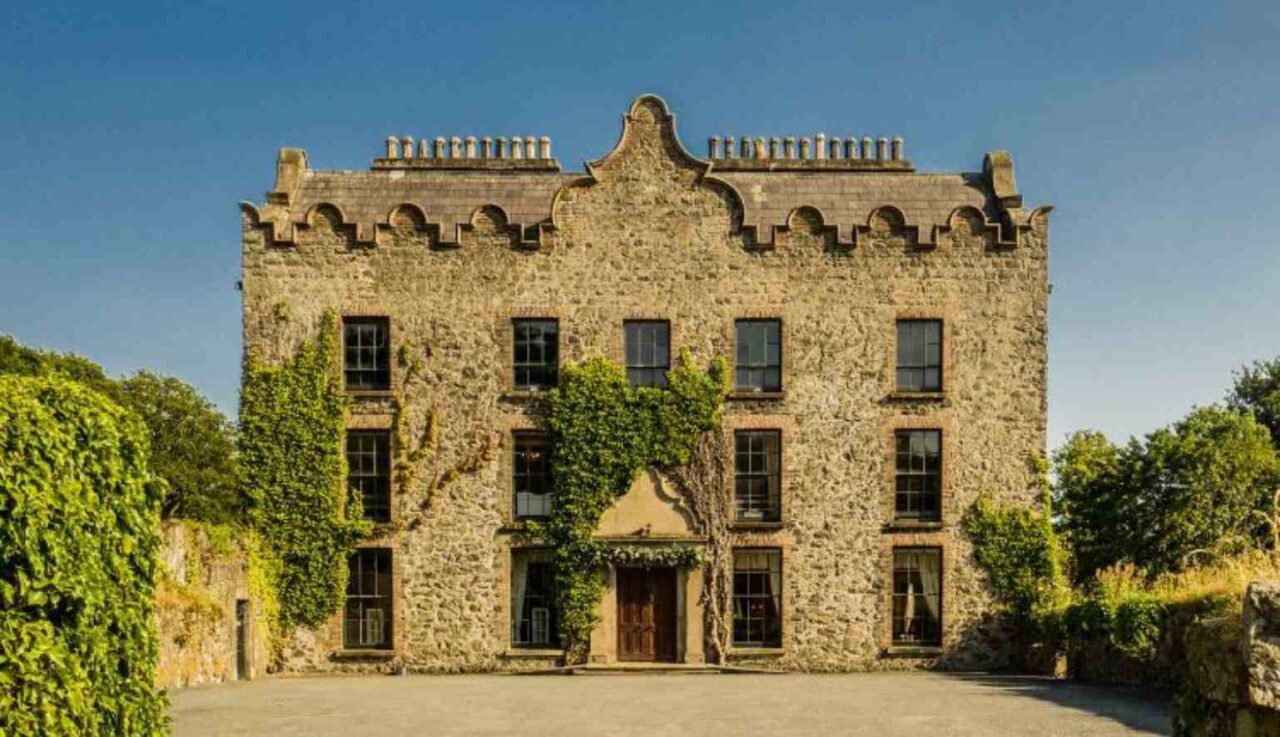
Founded in 1759 by Arthur Guinness at St James’s Gate in Dublin, Guinness has grown into one of the most recognizable beer brands in the world. Its signature stout – dark ruby in color with a creamy, velvety head – is brewed using roasted barley, giving it that distinctive roasted coffee and chocolate profile.
In recent years, the story behind the brand has reached new audiences through popular culture, including the House of Guinness on Netflix, which explores the legacy, ambition, and family drama behind one of Ireland’s most iconic names.
But Guinness is more than a drink – it is a symbol. For many, ordering a pint on St Patrick’s Day is a ritual, a way of participating in Irish culture regardless of where they are in the world.
The brand itself has leaned into this connection. Each year, Guinness marketing campaigns align closely with St Patrick’s Day, reinforcing its identity as the unofficial drink of the celebration.
The ritual of the perfect pint
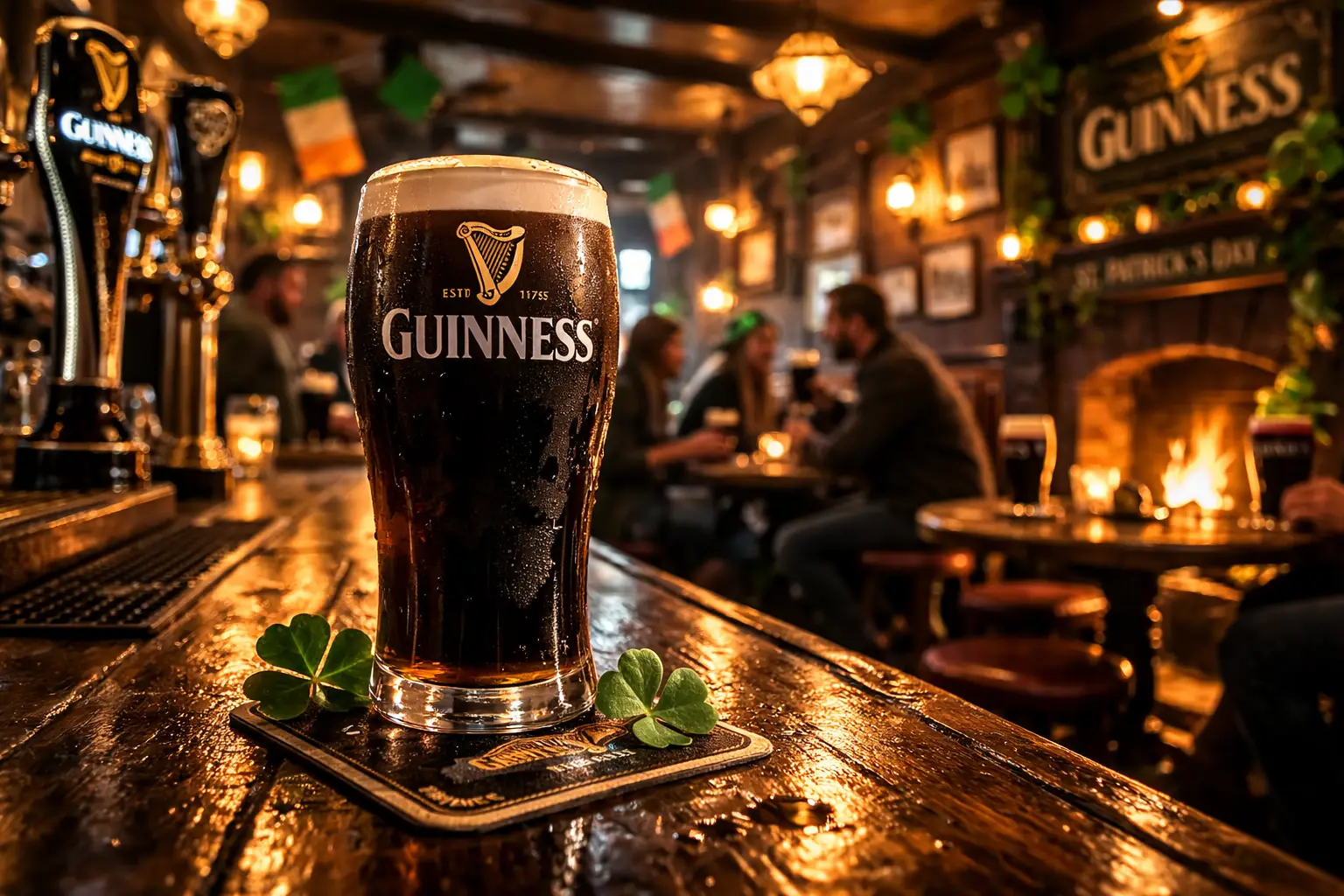
There is a reason Guinness is often associated with ceremony. The famous “two-part pour” takes about 119.5 seconds, allowing nitrogen bubbles to settle and create the beer’s iconic creamy head.
In pubs across Ireland – and far beyond – bartenders treat the process almost as performance. On St Patrick’s Day, this ritual becomes even more visible, as crowds gather and pints flow continuously.
A day when the world goes green
What makes St Patrick’s Day unique is its global reach. Landmarks are illuminated in green, rivers are dyed, and people dress in shamrocks and costumes.
The celebration has transcended its religious origins. It is now a day of cultural pride, community, and shared festivity – whether you have Irish roots or not.
And through it all, Guinness remains a constant presence, linking modern celebrations to centuries of Irish tradition.
Why Guinness and St Patrick’s Day are inseparable
The connection between Guinness and St Patrick’s Day is not accidental – it is cultural, historical, and emotional. Guinness represents Ireland in a tangible form. It is exported worldwide, yet deeply tied to its Dublin origins.
On March 17, when millions gather to celebrate, a pint of Guinness becomes more than just a drink. It becomes a symbol of belonging, of heritage, and of the enduring global influence of Irish culture.
In a world of changing trends, that simple ritual – raising a glass of dark stout – continues to unite people across continents in one shared celebration.