Austria is taking an unusually bold approach to one of travel’s most urgent problems: overtourism driven by viral social media.
In a new campaign positioning the country as a pioneer of “balanced tourism,” Austria has become the first nation to ask visitors to sign a non-disclosure agreement (NDA) before receiving insider tips on where to go. The goal is simple – keep hidden gems from being overhyped, overcrowded, and turned into the next Instagram stampede.
The initiative, called NON-DISCLOSURE AUSTRIA, was launched by Austria Tourism in collaboration with agency Wien Nord Serviceplan. It targets the winter season specifically, when visitor pressure intensifies around well-known slopes, spa towns, and iconic alpine destinations.
A tourism campaign built on secrecy – and FOMO
The concept is deliberately counterintuitive: Austria is promoting itself by withholding itself.
Social media clips teasing “real Austrian insider tips” were released with crucial details pixelated and bleeped out. Viewers could see just enough – a snowy panorama, a quiet hut, a scenic viewpoint – to feel the pull of what they weren’t allowed to access.
The campaign weaponises FOMO, but in a way that is designed to shift tourism flows rather than amplify them.
To unlock the full list, users are directed to the campaign website, where they must sign the NDA. Only then do they receive access to more than 120 curated recommendations, including:
- uncrowded ski slopes
- panoramic viewpoints
- lesser-known wellness retreats
- local huts and winter hideaways
The message is clear: Austria still has untouched, authentic places – but you only get them if you agree not to broadcast them.
The NDA isn’t enforceable – it’s a moral contract
The NDA is intentionally humorous and explicitly not legally binding. It is not enforceable, and Austria Tourism is transparent about that.
Its function is psychological, not legal: a symbolic agreement that visitors will keep the insider tips to themselves and avoid posting them publicly on social media.
In other words, Austria isn’t trying to sue tourists for posting a photo. It’s trying to change tourist behaviour by making discretion part of the experience – turning the act of not sharing into a form of cultural respect.
Why Austria says it’s doing this now
The campaign arrives at a moment when many cities and destinations are openly discussing restrictions as tourist pressure intensifies.
Across Europe, places such as Barcelona and Venice have become global case studies for overcrowding, resident backlash, and the escalating tension between local life and visitor economies.
Austria’s approach is different. Instead of focusing on limits and bans, the country is attempting to disperse tourists away from hotspots – and to make that redirection feel exclusive, playful, and desirable.
“Today, travelers are looking for authentic experiences that go beyond the usual bucket lists,” said Astrid Steharnig-Staudinger, CEO of Austria Tourism. “With this creative approach, we want to showcase Austria’s lesser-known attractions in a humorous way and help disperse visitor flows.”
A whole country as an “insider club”
The creative team behind the campaign describes the NDA as a way to make travel feel more special again – and to preserve places before they become content.
“Who would let people sign an NDA just to look at an advertisement—especially in this day and age?” said Axel Spendlingwimmer and Michael Maier, the creative duo behind the case. “But it makes so much sense: an experience gets so much more special when you are not allowed to talk about it.”
Matthias Piskernik, CCO of Wien Nord Serviceplan, framed it as an “insider club” model: letting visitors feel they’re being trusted with a secret, while keeping locations from being overwhelmed.
Where the campaign is running
NON-DISCLOSURE AUSTRIA launched in key European markets including:
- Germany
- the Netherlands
- Denmark
But the campaign is accessible worldwide, and is supported by influencer activations and paid placements.
In Germany, the rollout includes a large-format billboard in Cologne featuring a pixelated winter destination and a QR code that links directly to the NDA.
The bigger idea: can destinations stop “viral tourism”?
Austria’s experiment is part of a larger question the travel industry is now forced to confront: what happens when tourism marketing succeeds too well?
For years, destinations encouraged visitors to share. Now, the consequences are visible – fragile places overwhelmed in days, residents priced out, and entire towns reshaped by algorithmic hype.
Austria’s NDA campaign suggests a new kind of tourism messaging for the social media age: not “share everything,” but “discover quietly.”
Whether tourists will actually keep the secret is uncertain. But as a statement, the campaign is unmistakable: in 2026, the most radical thing a destination can offer may be an experience that doesn’t need to go viral.
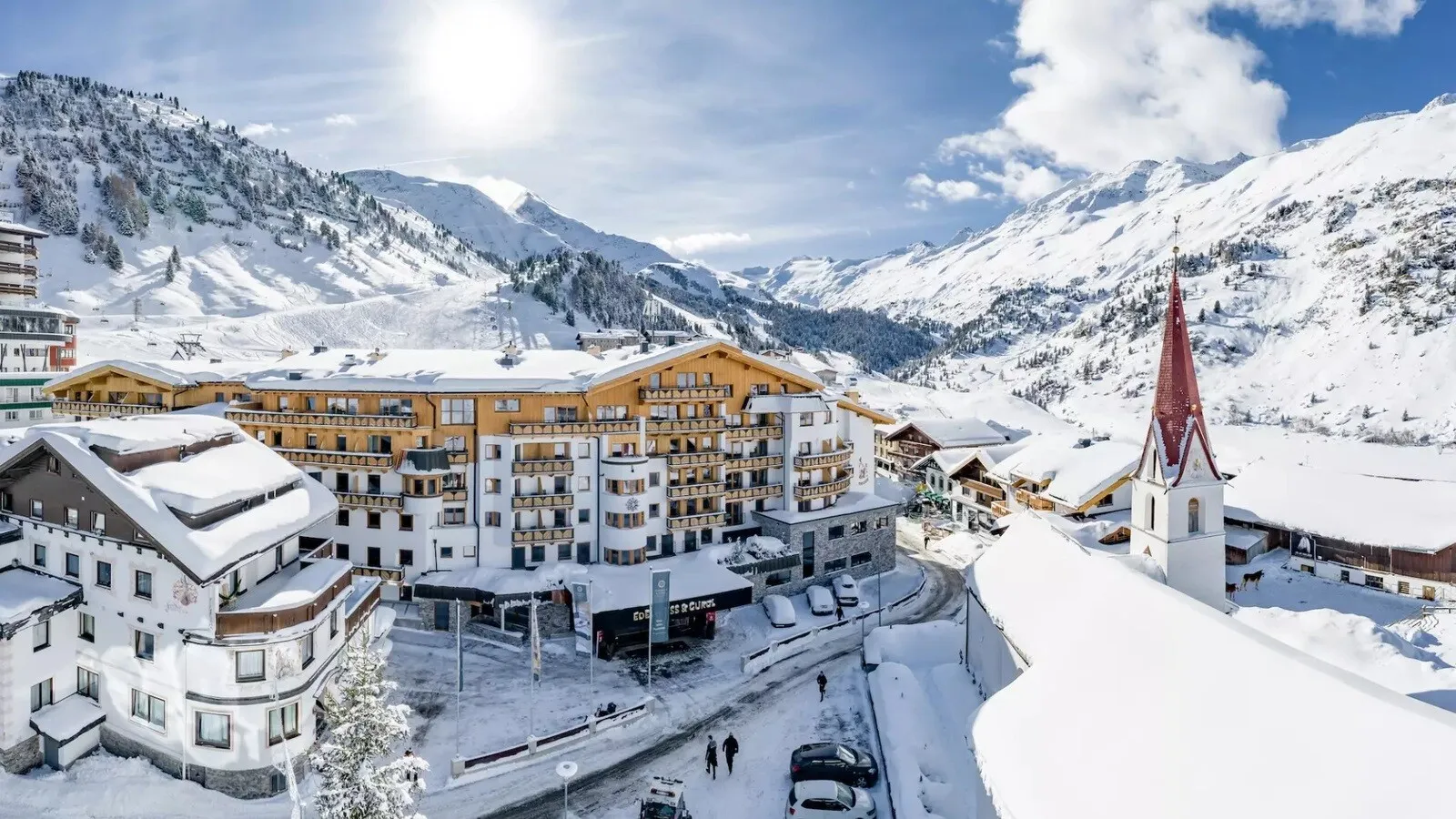
Photo: Hotel Edelweiss & Gurgl